Documenting Commonwealth War Graves in Iraq 1914-1945
Over 50,000 Commonwealth service members lost their lives in Iraq during WWI and WWII. These conflicts are largely forgotten, graves neglected or lost. We're changing that through modern documentation and community research to honor their memory.
The Forgotten Dead of Forgotten Wars
Documented
Few realize the scale of Commonwealth War casualties in Iraq with more than fifty-four thousand recorded casualties —the exact number is unknown as many who served in the British Indian Army were not properly recorded. Iraq constitutes three percent of all total casualties under the CWGC's care and the 5th largest country by volume of graves/memorialized casualties worldwide. In sheer numbers, Iraq ranks among the most highly significant places of remembrance for the Commonwealth and with the highest proportion of un-commemorated deaths. The remaining graves and memorials are deteriorating, forgotten, or lost. We document them before they're gone forever.
Video and Photographic Archives
Aerial, 360 interactive and ground level walk through images and videos - a unique dynamic visual record.
Dignity & Remembrance
These men and women deserve to be remembered. Where official maintenance has failed, we provide a digital memorial accessible to families and researchers worldwide.
Community Driven
Built by relatives of casualties, researchers, historians and local Iraqis who care. Open to all, for free, a public resource for anyone curious about this forgotten chapter of British Iraqi history.
"At the going down of the sun and in the morning, we will remember them."
The commitment to remembrance is fundamentally broken when the means to access and share knowledge about war graves are lost, as is the case for sites in Iraq. The official abandonment of these locations renders the solemn promise, "Their name liveth for evermore," particularly poignant and hollow. Without active preservation and accessibility, these forgotten men and women are denied the perpetual commemoration they were promised, fading instead into silence.

War Stone, Basra War Cemetery
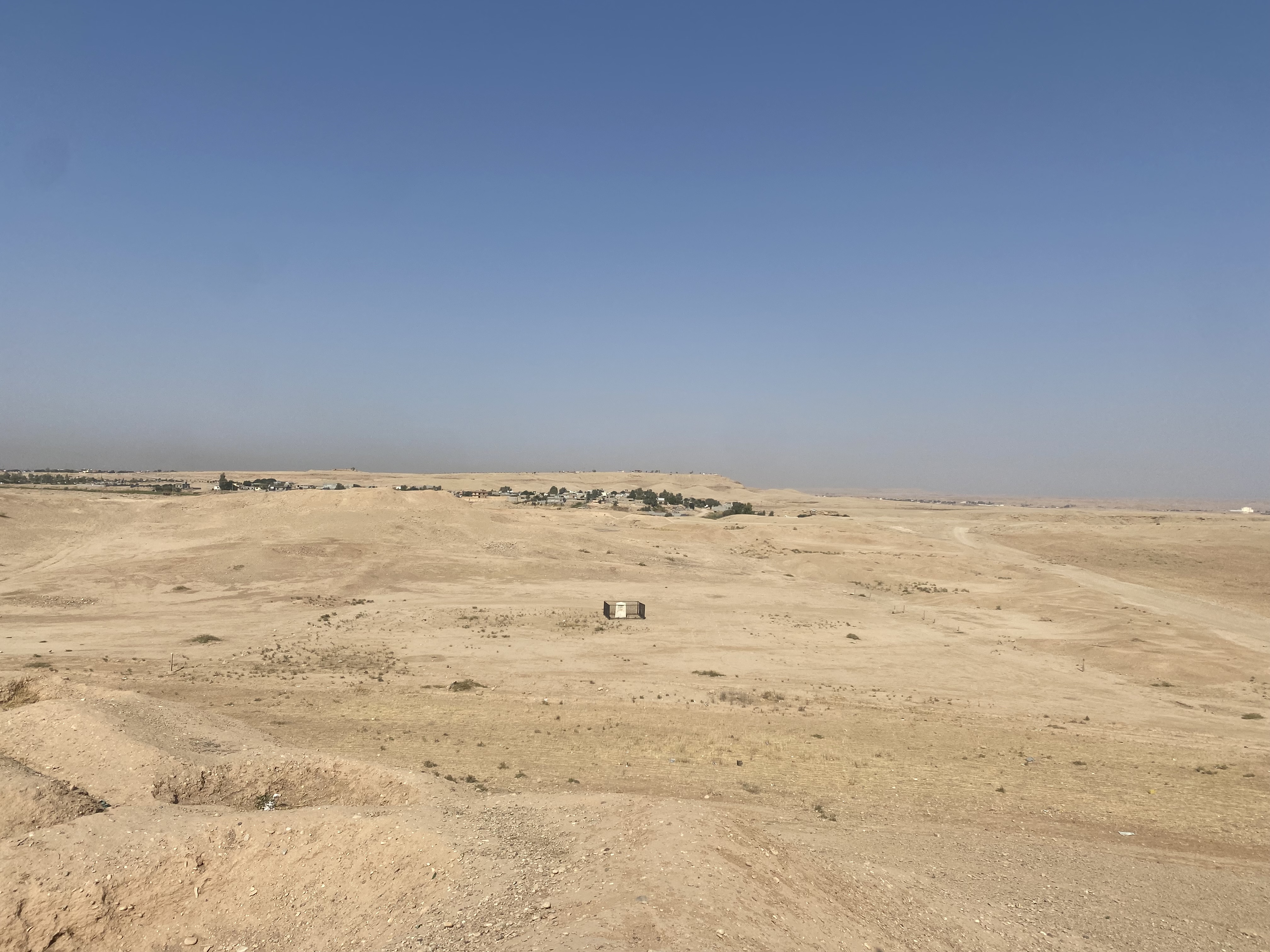
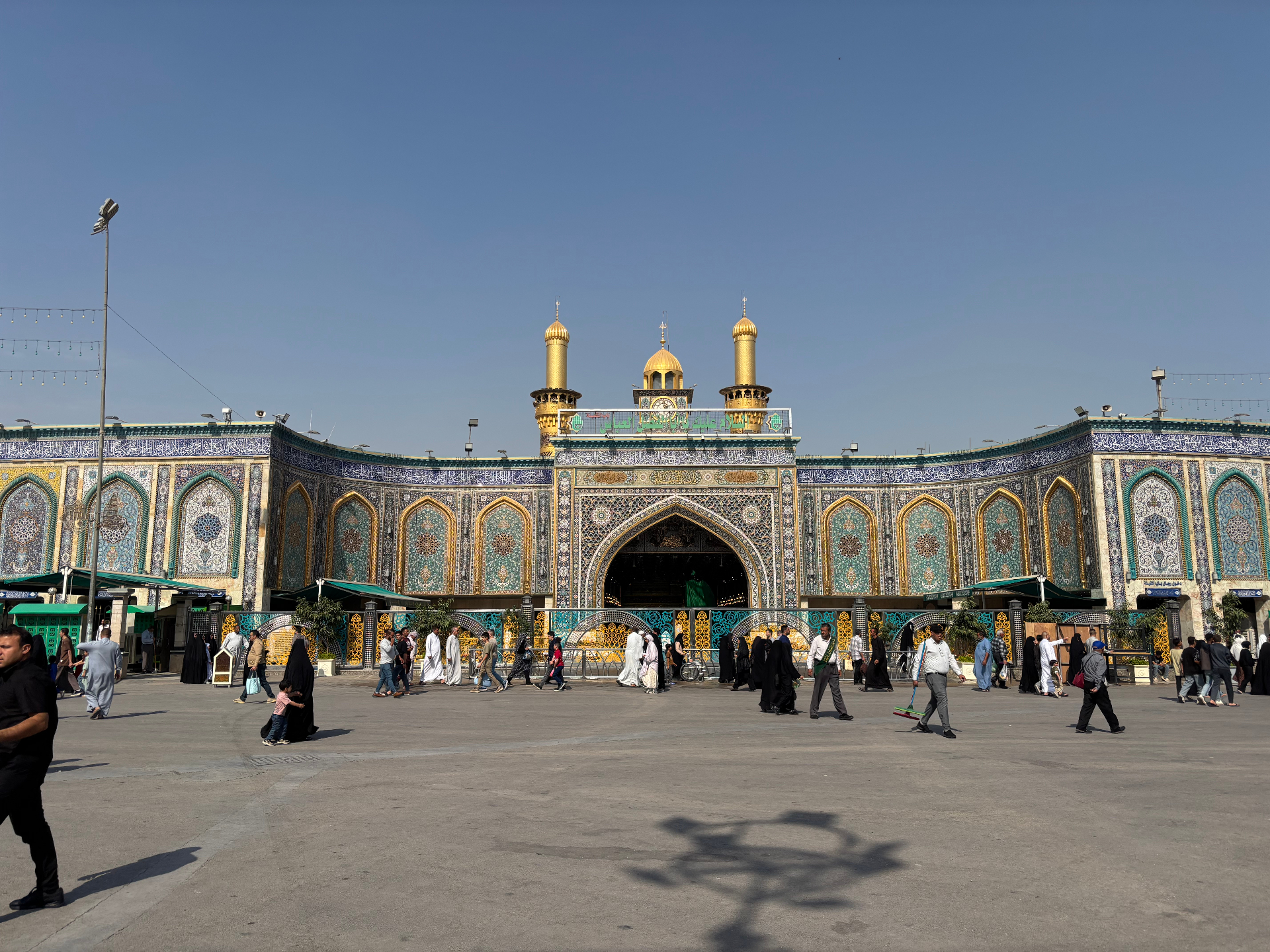
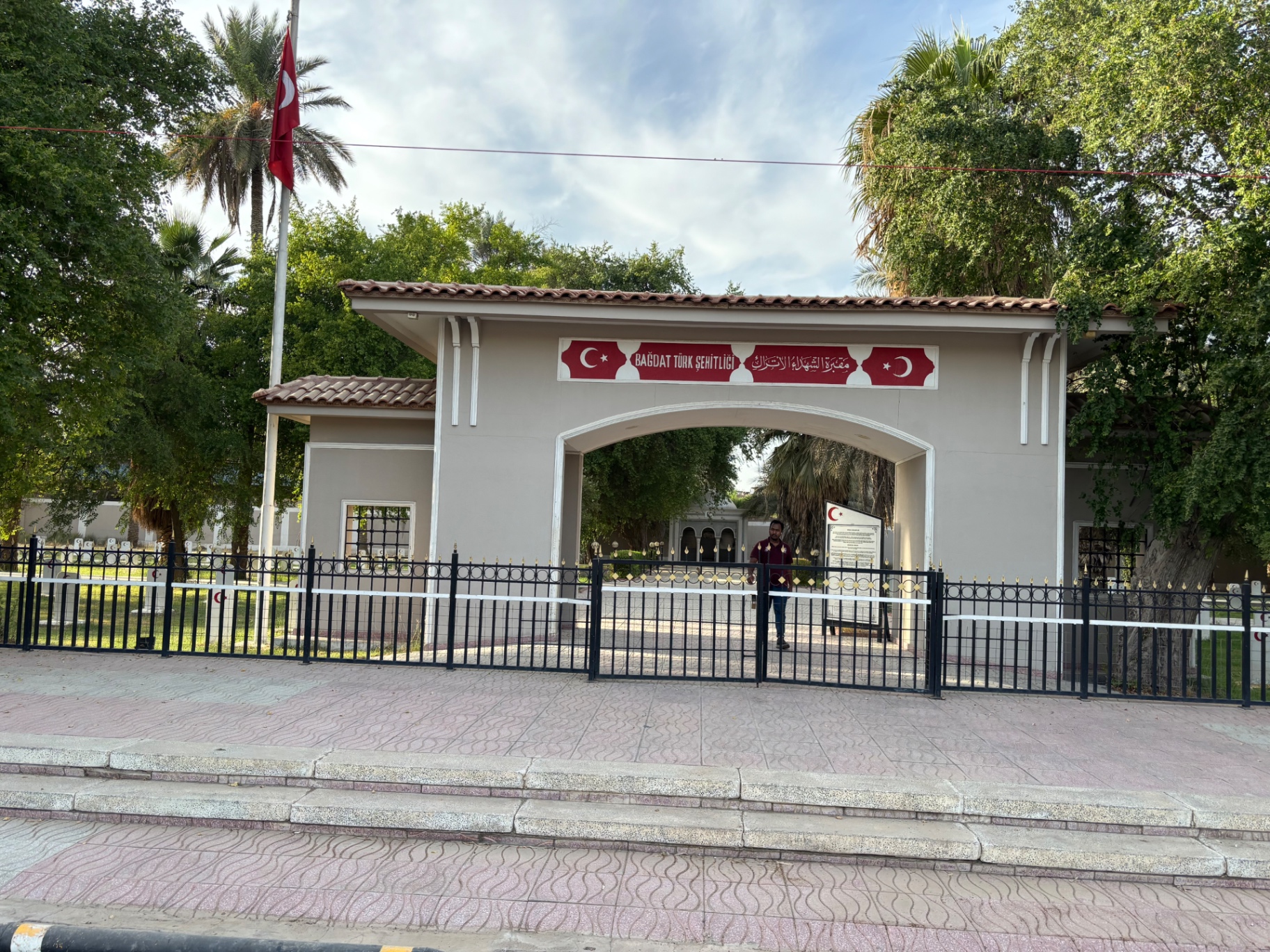
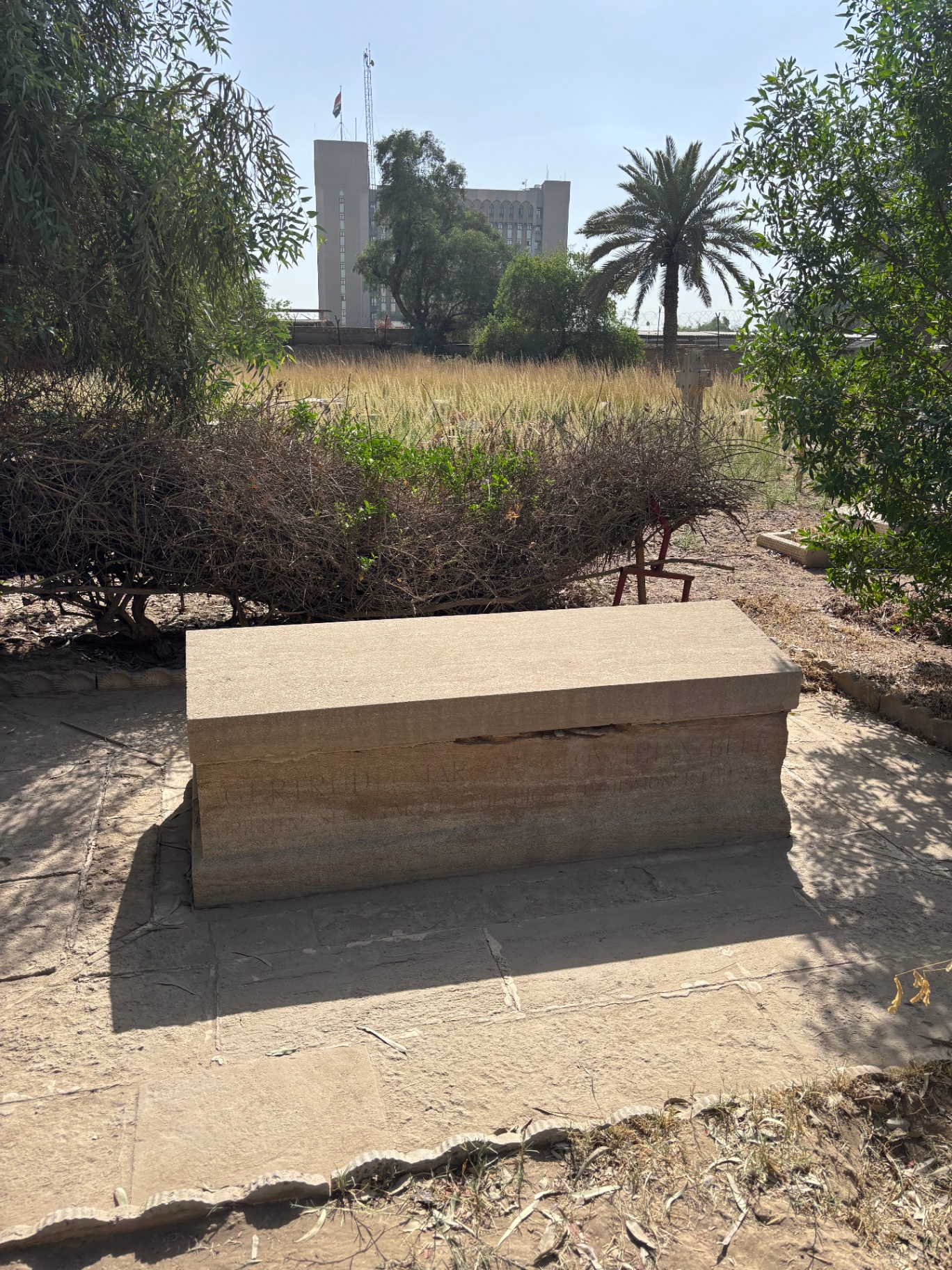
Cemetery and Memorial Sites In Iraq
Explore each known Commonwealth, Ottoman and German Military Cemeteries and Memorials in Iraq
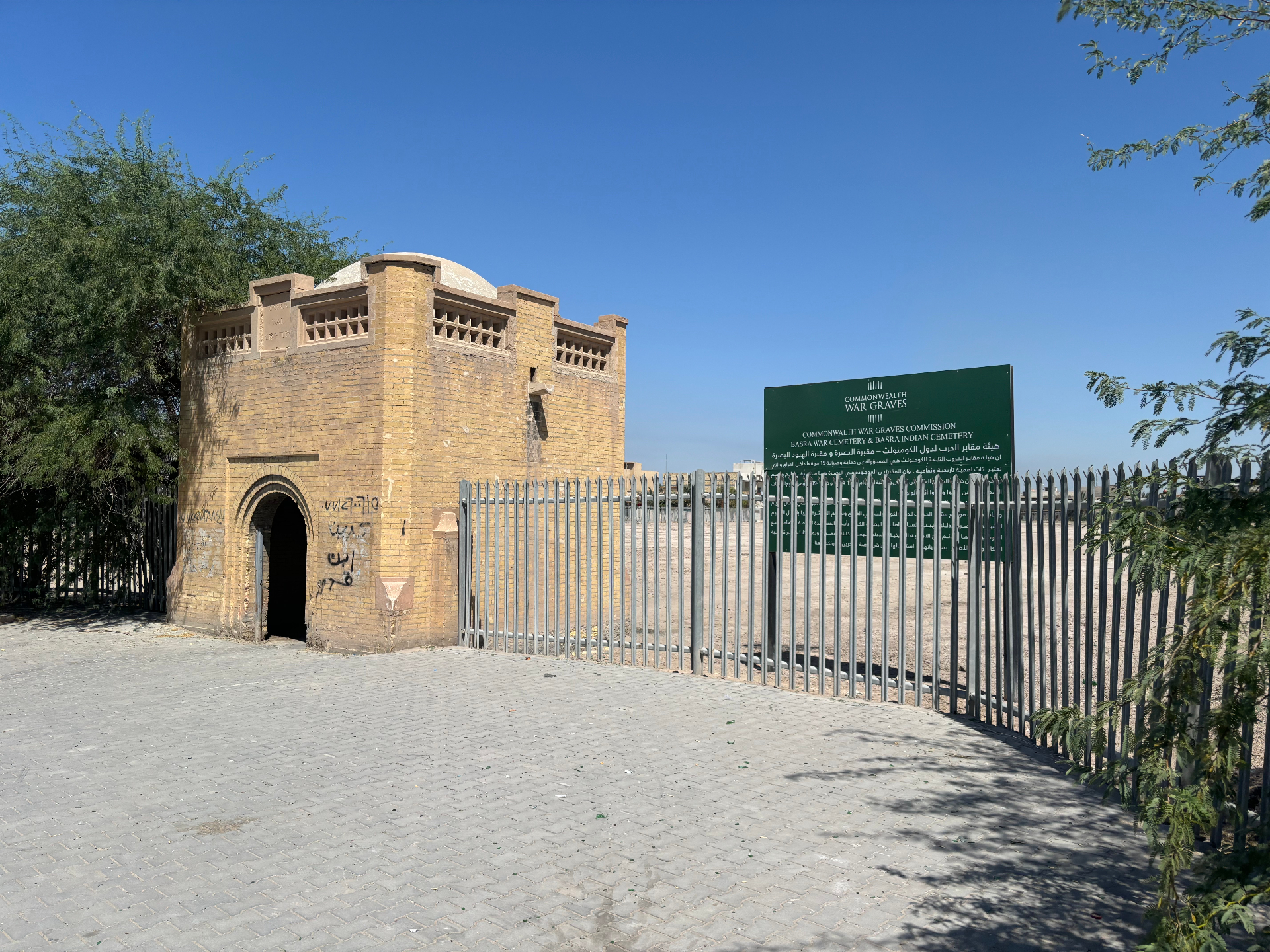
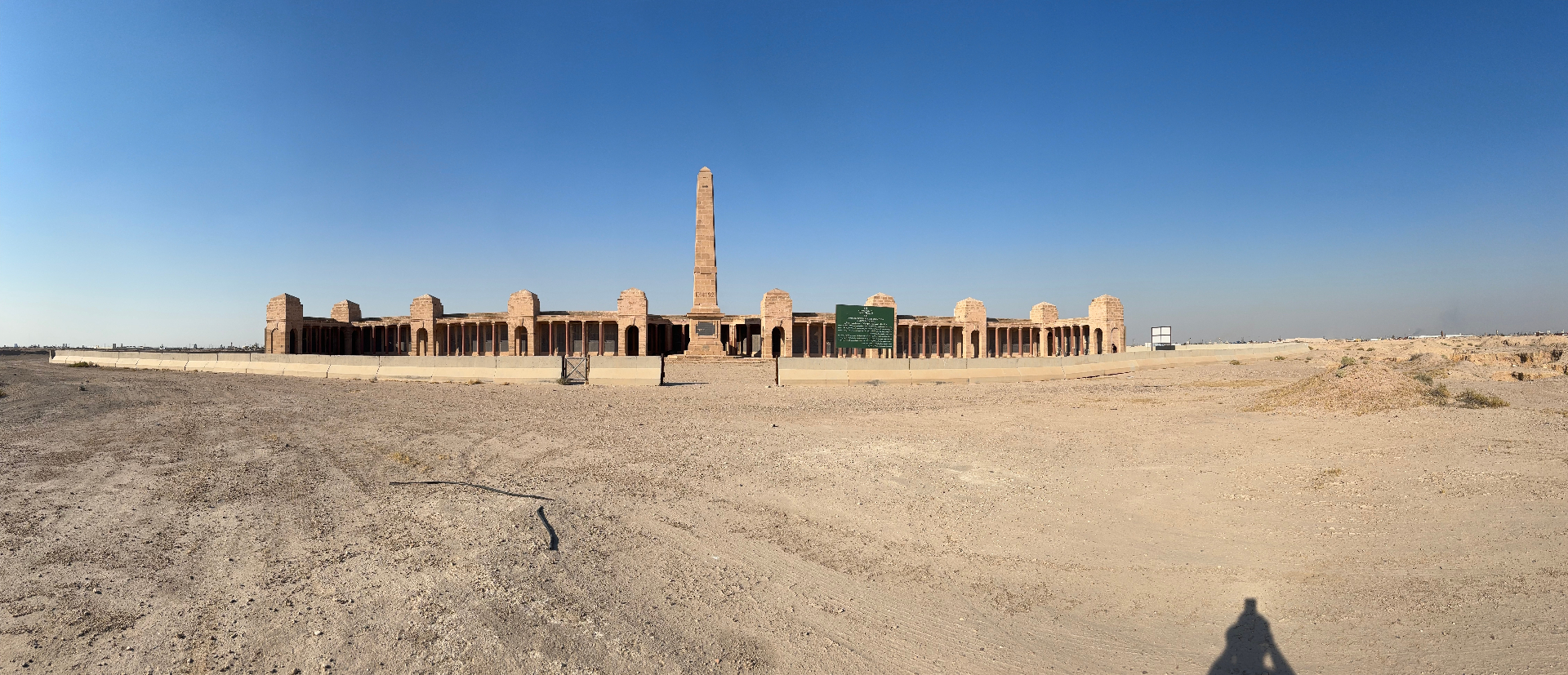
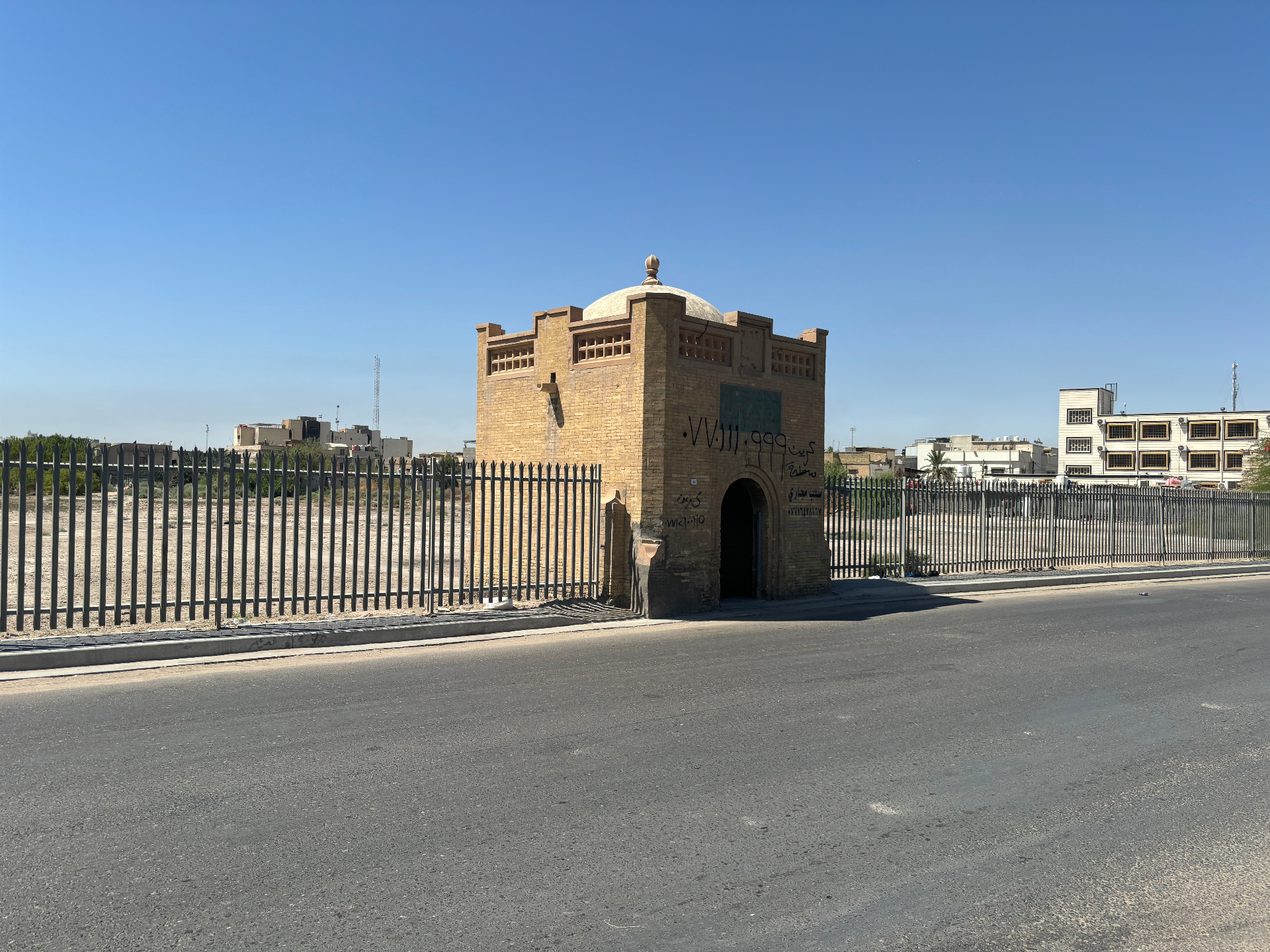

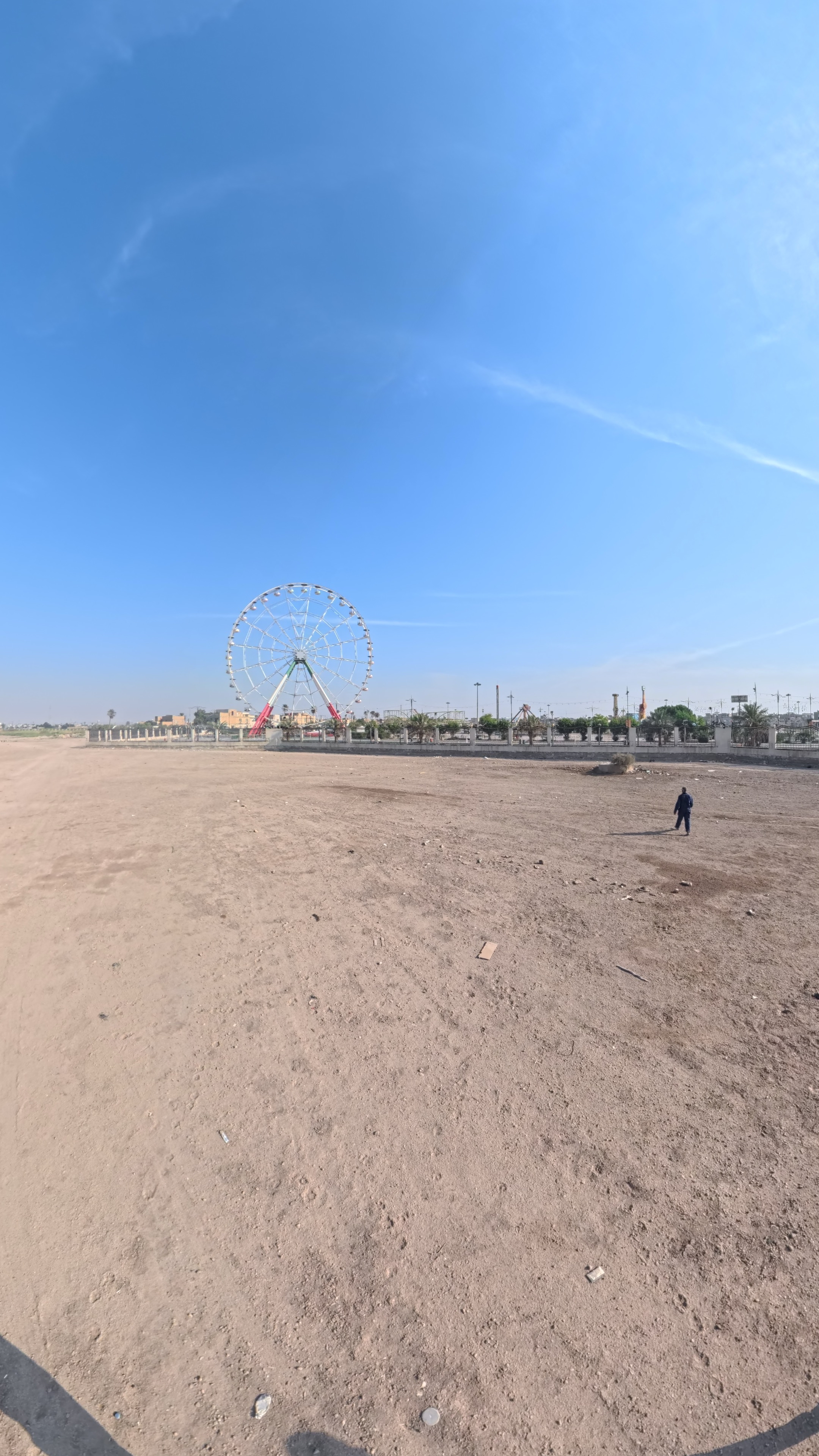
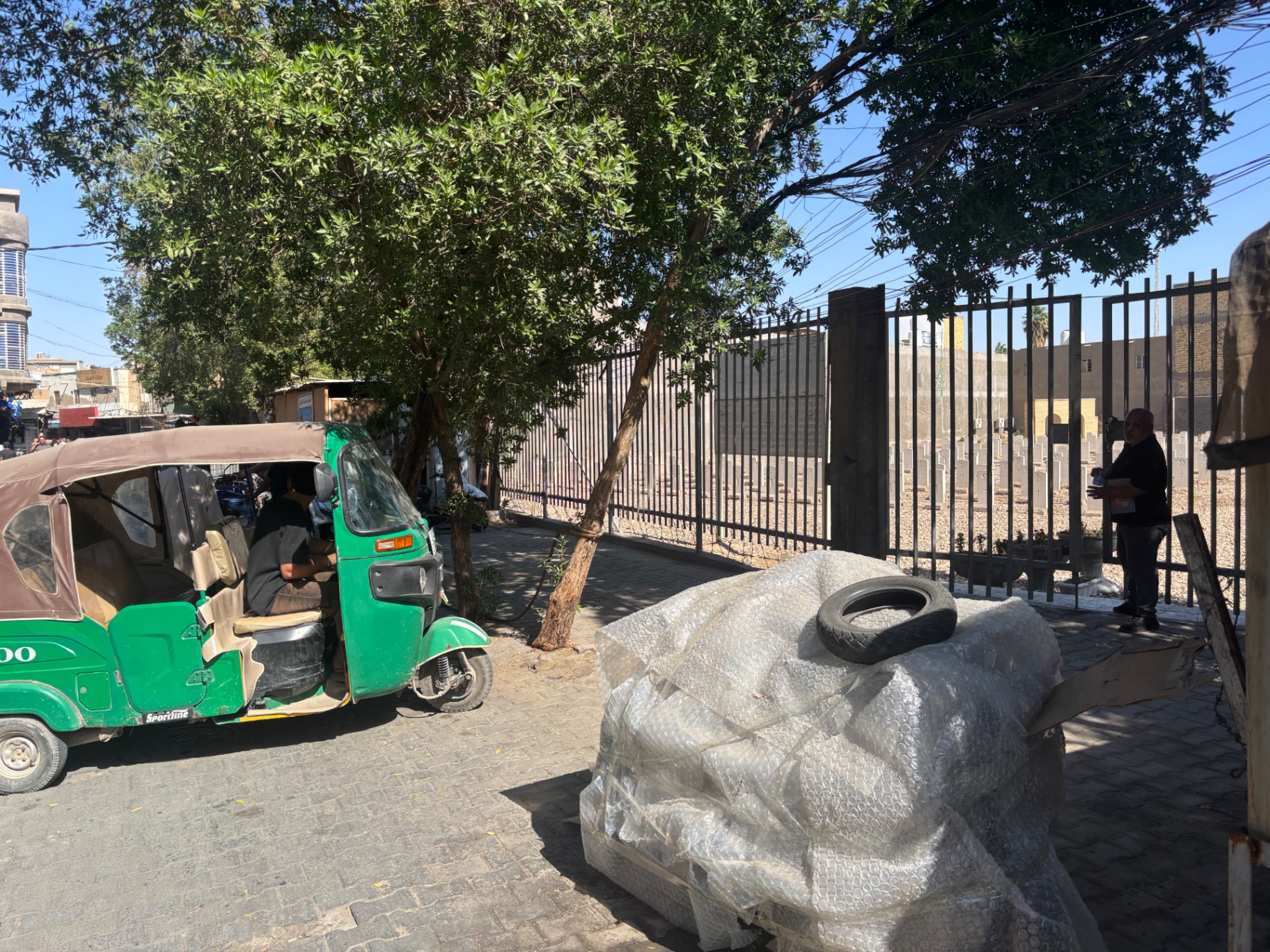
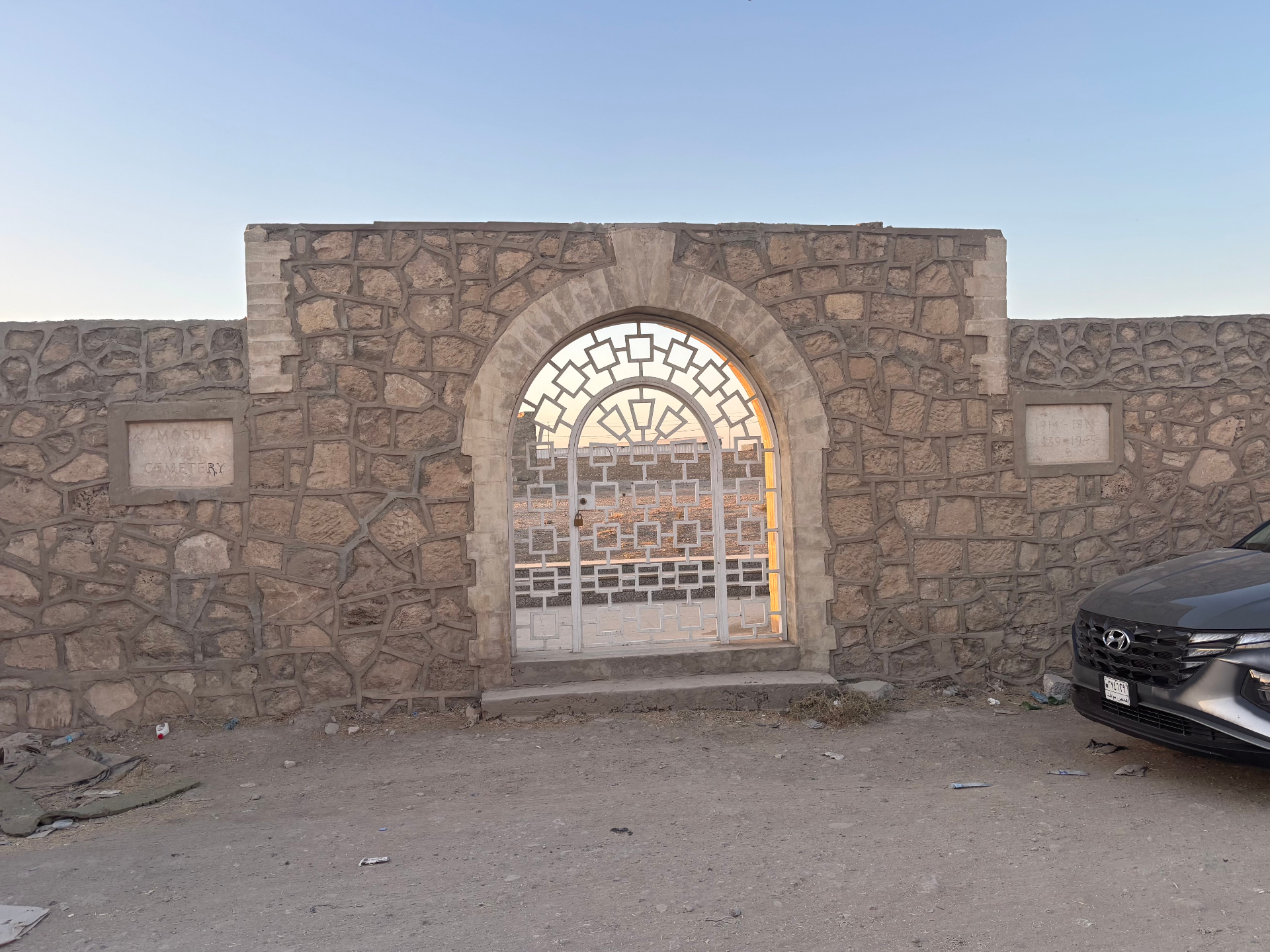

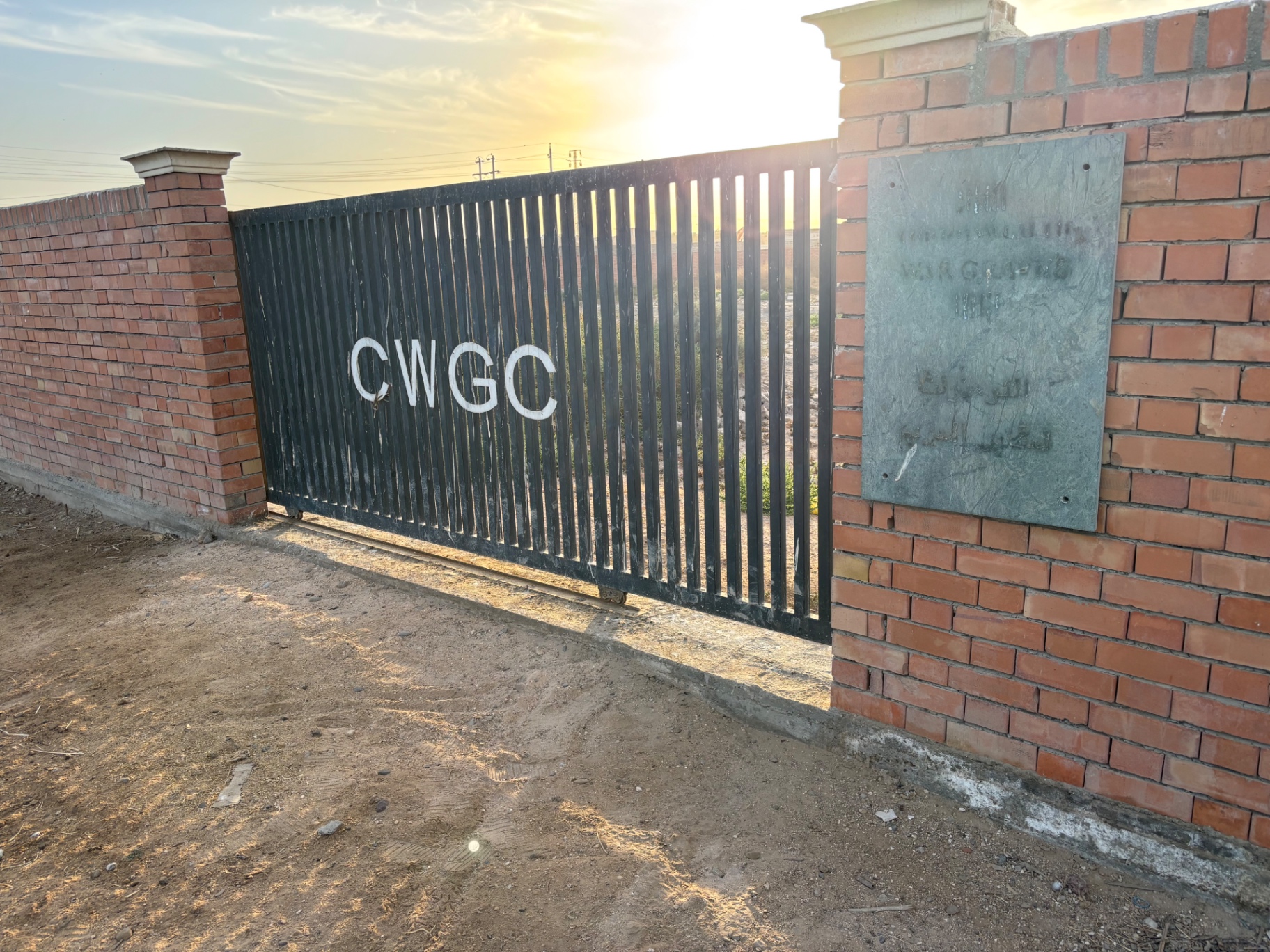

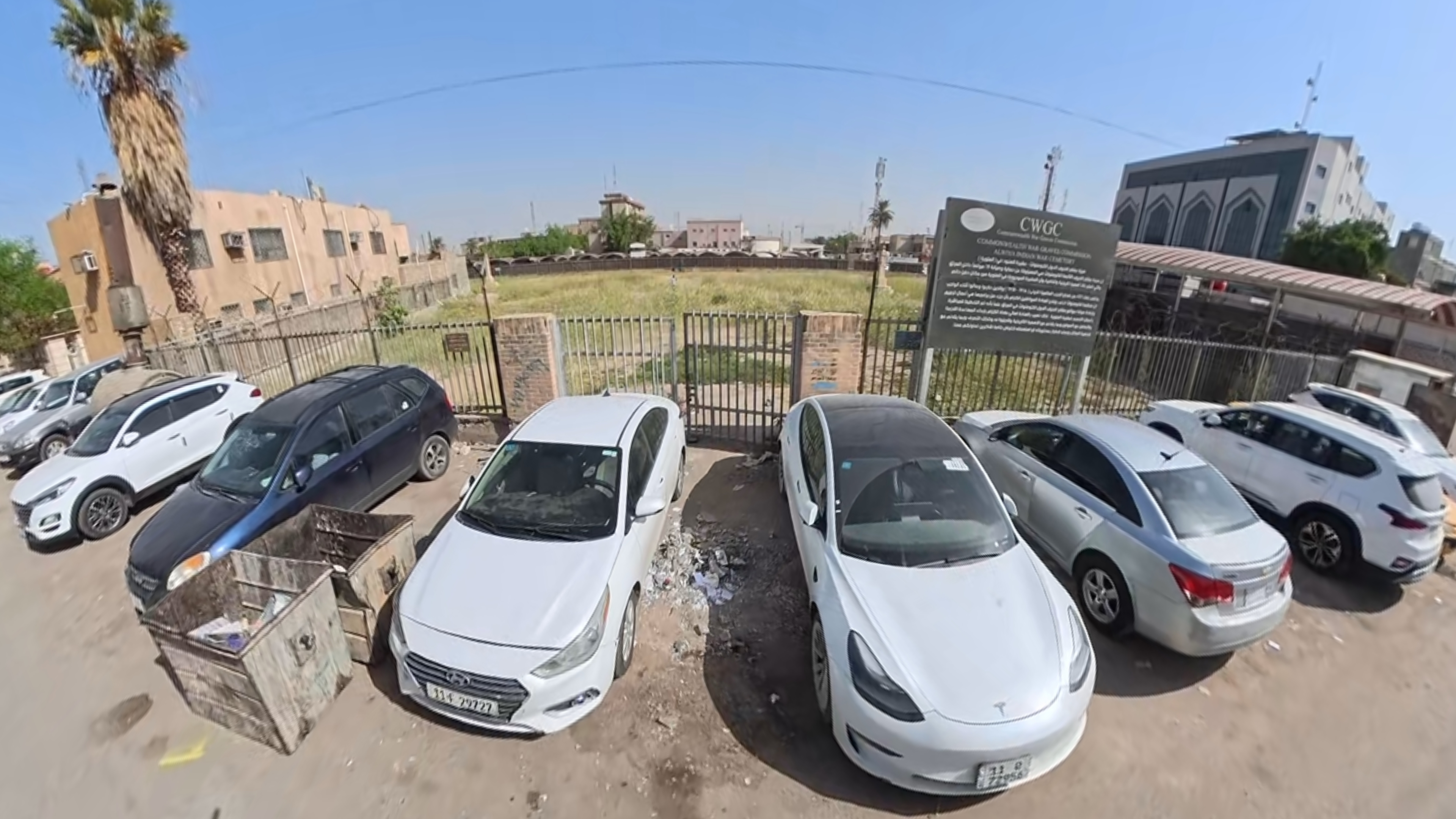


Interactive Map of Sites
Explore all documented Commonwealth war cemeteries and memorials across Iraq
Modern Iraq: Beyond Stereotypes
Many in the West still view Iraq through the narrow lens of wartime imagery, terrorism, and social collapse—images tied to the U.S. invasions of 1991 and 2003, the rise and fall of ISIS, and years of conflict in the media spotlight. But more than two decades have passed since the First Gulf War, and Iraq today is a very different place. International travelers are increasingly discovering its quieter side: a country rich in history, culture, and resilient communities. Every year, more visitors come to walk the ruins of Babylon and Hatra, wander the streets of Erbil's citadel, explore the archaeology of Ctesiphon, or experience the living heritage in modern Iraqi cities.
Iraq's tourism revival is gaining momentum, even the Daily Mail has been covering the "mini-boom" in tourism that it is enjoying, along with accounts of British solo travelers visiting Iraq. Many Facebook groups and other social media platforms have Iraq tourism information including Iraq Travel Community, Iraq Travel Tips, Iraqi Travellers Cafe, Travel and Tourism in Iraq, Travel around Iraq and Iraqi Kurdistan Travellers Cafe. These and other similar sites across social media show the reality of international tourists visiting Iraq and can help you research your visit, plan your itinerary and find services including guides and car hire.


Join the Community
Connect with researchers, veterans, families, and anyone passionate about preserving this history. Share discoveries, ask questions, contribute media—all ages welcome.
Open to Everyone
Not just military historians—students, educators, descendants, and curious minds
Active Research
Ongoing site visits, video documentation, and casualty research
Share Your Content
Photos, videos, documents—help build the archive