Visitor Guide
Visiting Iraq War Cemeteries
A practical guide to visiting Commonwealth War Graves Commission cemeteries and memorials in Iraq. Whether you are a descendant tracing a relative, a military historian, or a traveller interested in remembrance, this guide covers the major sites, how to reach them, and what to expect.
Why Visit Iraq's War Cemeteries?
Iraq holds some of the most significant Commonwealth war graves and memorials anywhere in the world. From the vast Basra Memorial to the Missing, commemorating more than 40,000 servicemen with no known grave, to the carefully maintained Basra War Cemetery and the historic Baghdad North Gate Cemetery, these sites are the final resting places of British, Indian, Australian, New Zealand, Canadian and other Allied troops.
Many visitors are descendants researching family members. Others come to understand the scale of the Mesopotamia Campaign in the First World War, the 1941 Anglo-Iraqi War, or the broader British and Commonwealth military presence in the region. Whatever your reason, visiting in person offers a perspective that records and photographs cannot fully convey.
Major CWGC Sites to Visit in Iraq
Basra War Cemetery
One of the largest CWGC cemeteries in Iraq, Basra War Cemetery contains more than 2,100 First World War burials and over 1,200 from the Second World War. It is the focal point of ongoing research into the destruction of memorial panels and gravestones removed by British forces in 2003. Access varies and visitors should check current conditions before travelling.
Basra Memorial to the Missing
Originally unveiled in 1929 near the Shatt al-Arab River and relocated in 1997, the Basra Memorial commemorates more than 40,000 Commonwealth servicemen who died in the Mesopotamia Campaign and have no known grave. The memorial panels list names by regiment and corps, including the only woman commemorated, Australian nurse Sister Florence Narrelle Jessie Hobbes.
Amara War Cemetery
Located on the banks of the Tigris, Amara War Cemetery contains over 4,500 First World War burials. It was an important hospital and burial site during the Mesopotamia Campaign. The cemetery includes memorial panels and a distinctive gatehouse. Conditions have fluctuated over the years and recent documentation efforts have recorded both preservation and deterioration.
Baghdad (North Gate) War Cemetery
Baghdad North Gate contains more than 4,000 First World War burials and a smaller number of Second World War graves. Many of those buried here died during or after the 1917 Battle of Baghdad. Access has been extremely limited for decades and the site has suffered from neglect, making independent documentation especially valuable.
Kut War Cemetery
Kut is inseparable from the siege of 1915–16 and the surrender of Townshend's garrison. The cemetery commemorates those who died during the siege, the relief attempts, and in captivity. It is a place of particular significance for anyone researching the Mesopotamia Commission Report and the failures that led to the disaster.
Habbaniya War Cemetery
Habbaniya is closely associated with the RAF base and the 1941 Anglo-Iraqi War. The cemetery contains Second World War burials and reflects Iraq's later strategic role. The nearby former RAF station adds context for visitors interested in the interwar and Second World War periods.
Planning Your Trip
Flights and Entry Requirements
Most visitors fly into Baghdad International Airport or Basra International Airport. Visa requirements change frequently and should be confirmed with the nearest Iraqi embassy or consulate well in advance. Business, journalism and tourism visas have different conditions. Do not attempt to travel without the correct paperwork.
Safety and Security
Security conditions in Iraq vary significantly by region and can change rapidly. Before travelling, consult your government's travel advice, register with your embassy if required, and consider using a reputable local guide or fixer who understands the area. Some cemeteries are in sensitive or restricted locations; do not assume that a site listed on a map is accessible.
Dress modestly, carry identification, and avoid drawing unnecessary attention. Photography near military or government installations can cause problems, so ask permission and stop immediately if asked.
Best Time to Visit
The Iraqi summer, from June to September, is extremely hot, often exceeding 45°C. The most comfortable months for outdoor visits are November to March. Even in winter, daytime temperatures can be warm and the sun is strong, so bring water, sunscreen and a hat.
What to Bring
- Passport, visa and photocopies of important documents.
- Plenty of drinking water and snacks for long journeys between sites.
- Sun protection: hat, sunglasses and high-SPF sunscreen.
- Comfortable, sturdy footwear for uneven ground.
- A notebook or device for recording names, plot numbers and observations.
- A small first-aid kit and any personal medication.
- Local currency for tips, transport and refreshments.
Respectful Conduct and Photography
War cemeteries are places of remembrance, not tourist attractions. Visitors should behave with the same respect they would show in any cemetery at home.
- Speak quietly and avoid loud music or phone calls.
- Do not climb on headstones, memorials or walls.
- Do not remove flowers, stones, plants or any items from the site.
- Ask permission before photographing local people or maintenance staff.
- Be aware that some sites may be treated as sacred or sensitive by nearby communities.
Photography Tips
Early morning and late afternoon light produce the best results and avoid the worst heat. A wide-angle lens helps capture the scale of larger cemeteries, while a macro or portrait lens is useful for inscriptions. Always check that photography is permitted before you start.
Researching a Relative Before You Travel
If you are visiting because a family member is commemorated in Iraq, research their record in advance. The Commonwealth War Graves Commission's online casualty database allows you to search by name, regiment, service number and cemetery. Note the exact cemetery, plot, row and grave number, or the memorial panel number, so you can find the location quickly on arrival.
Our site also contains cemetery-specific pages, photographs, videos and panel indexes for Basra Memorial and Amara that may help you prepare. If you cannot travel, you can request photographs or information through our contact page.
Current Conditions and Access
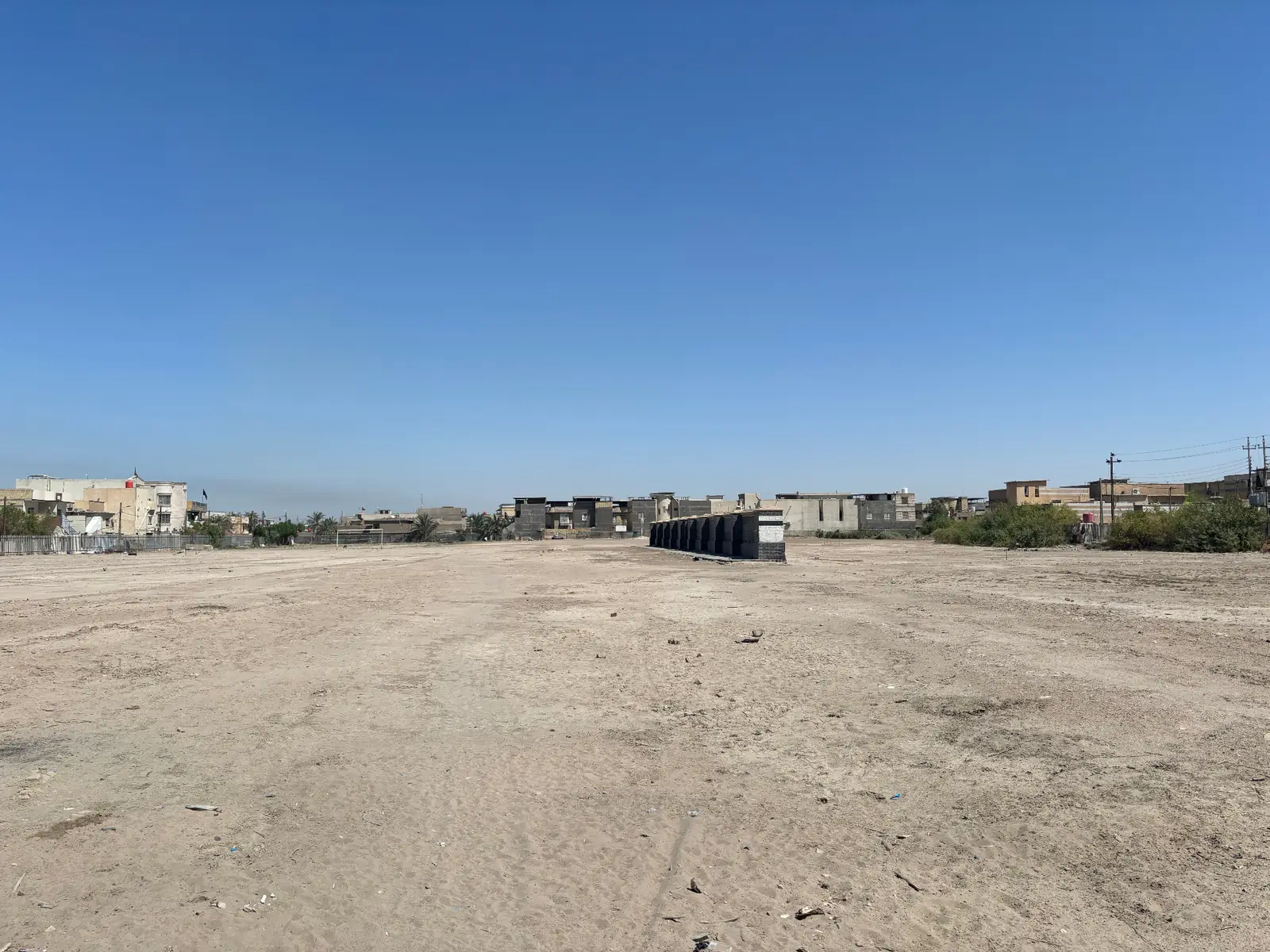
Conditions at Iraq's war cemeteries vary widely. Some sites have been renovated; others have deteriorated due to conflict, neglect or environmental factors. Access may be restricted by security, ownership disputes or local circumstances. The information on this website is based on field visits, research and community reports, but conditions can change.
We strongly recommend contacting us or checking recent updates before making a long journey to a specific cemetery. If you visit, please consider sharing photographs and a brief report so that the record can be kept up to date for others.
Frequently Asked Questions
Can I visit Iraq's war cemeteries independently?
Independent travel is possible in some parts of Iraq, but many cemetery locations require local knowledge, permissions and careful security planning. A reputable local guide is recommended, especially for first-time visitors.
Are the cemeteries maintained?
Maintenance varies. Some sites have been renovated or are kept by local caretakers; others are in poor condition. The CWGC's ability to maintain sites in Iraq has been limited by security and access constraints.
What should I wear?
Dress modestly in loose, long clothing and comfortable shoes. A hat and sunglasses are essential for sun protection. Avoid military-style clothing or anything that could be misinterpreted.
Can I leave a wreath or poppy?
Leaving a small remembrance item is generally acceptable, but be sensitive to local customs. Artificial wreaths or poppies may be removed by cleaners; a simple stone or note is often more lasting.