Listen: Britain's Forgotten War Dead, The Basra Cemetery Scandal
The Security Podcast with Sean Rayment, 47 minutes. Ben Soppitt, whose grandfather is buried at Basra, discusses the removal and destruction of almost 800 gravestones and dozens of memorial panels from Basra War Cemetery, and the campaign to find out what happened.
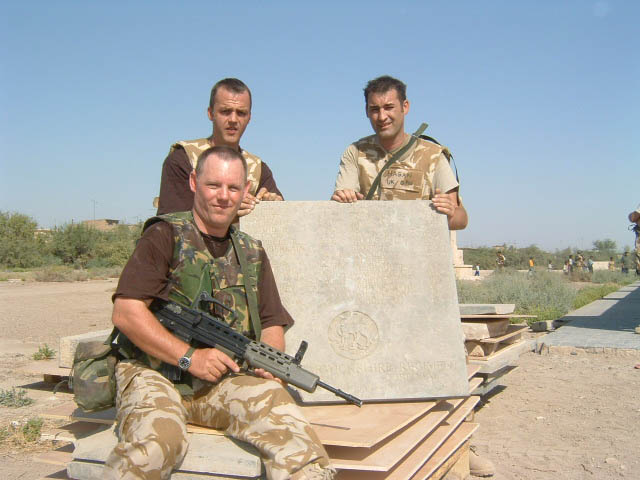
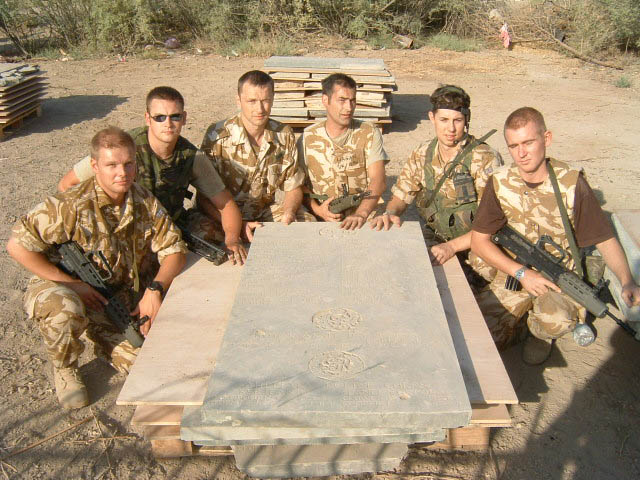
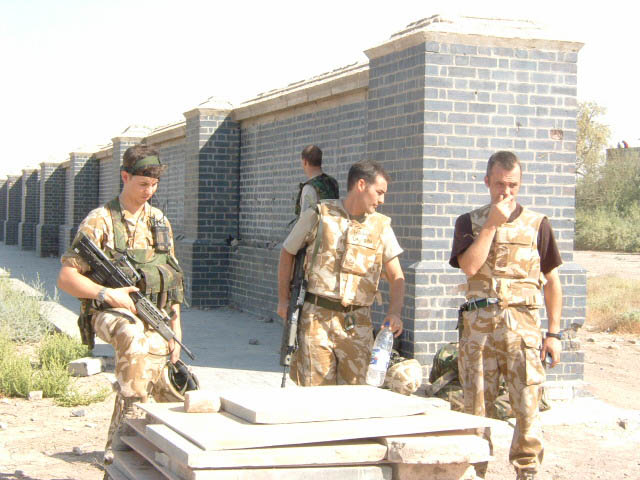
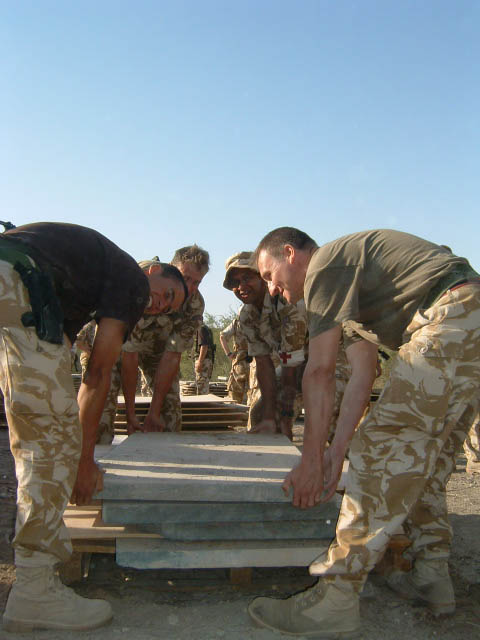
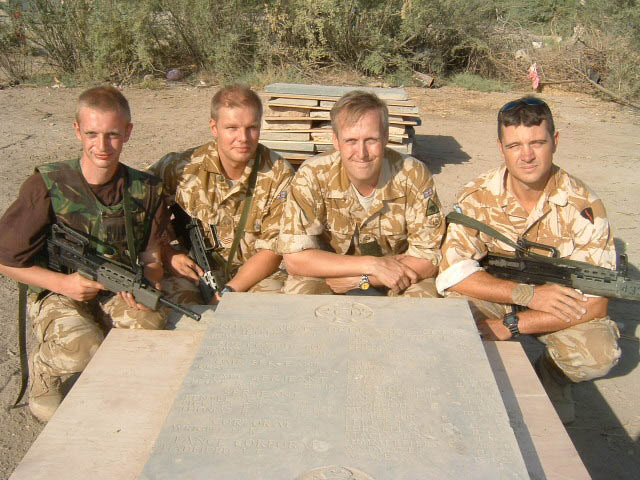
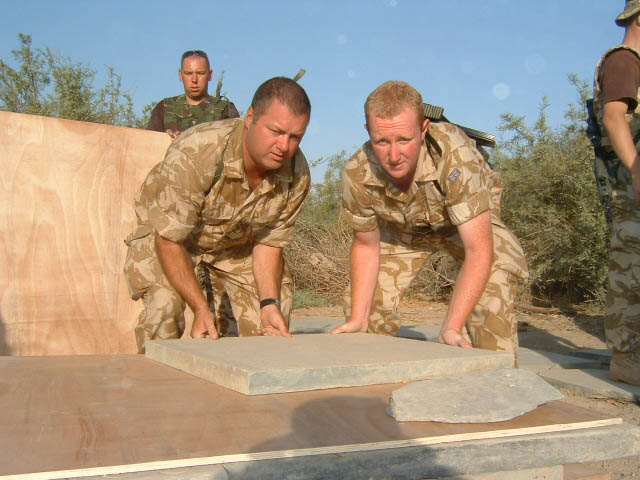
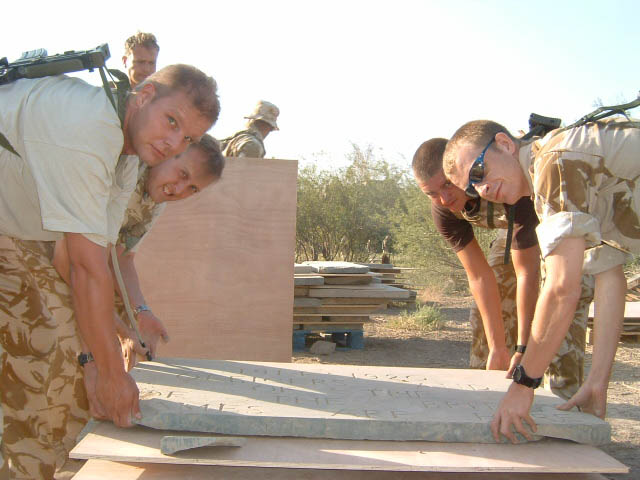
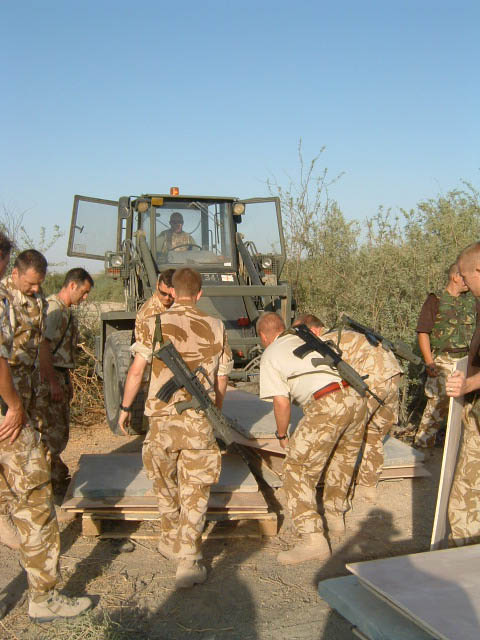
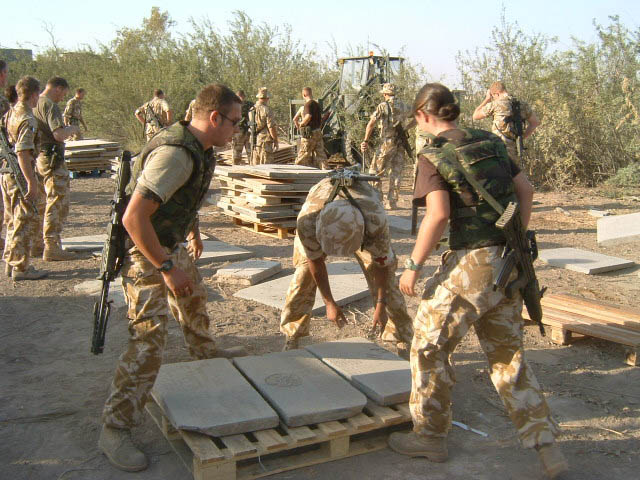
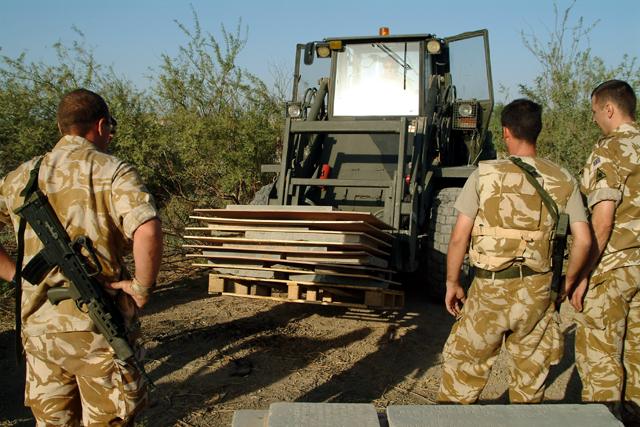
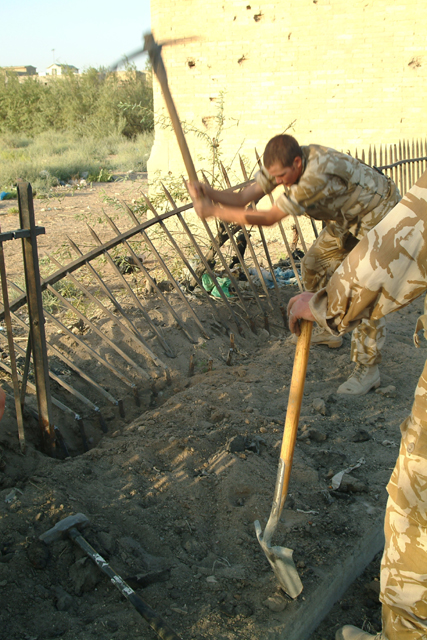
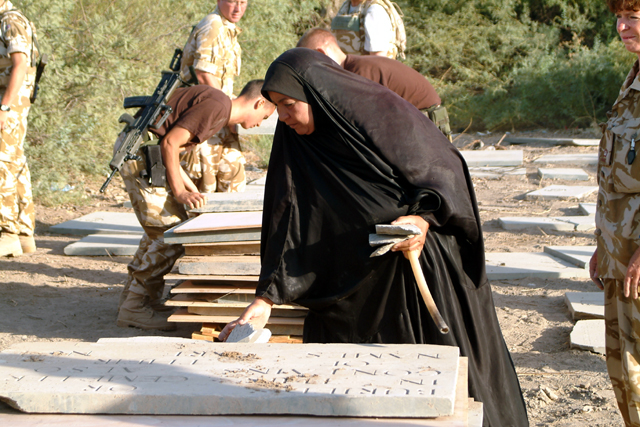
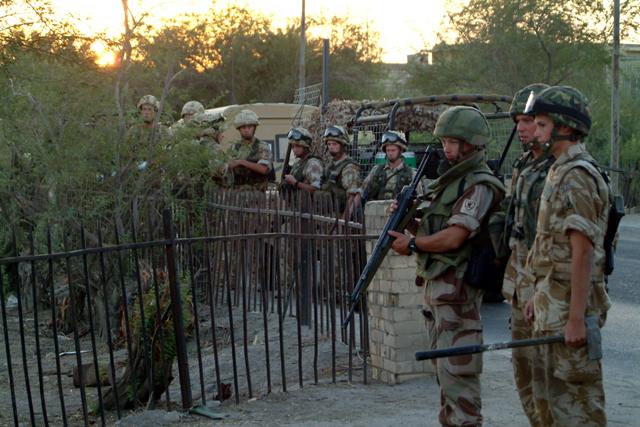
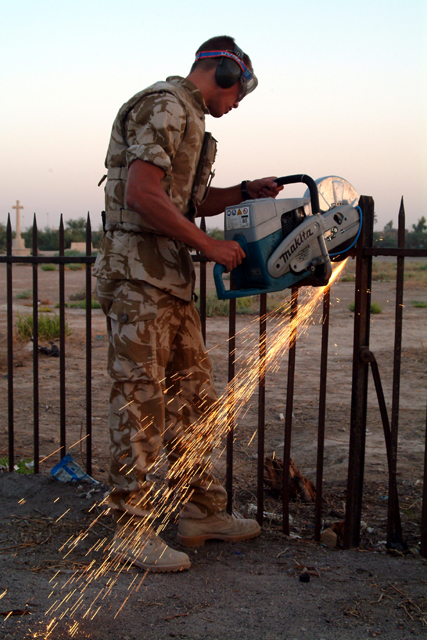
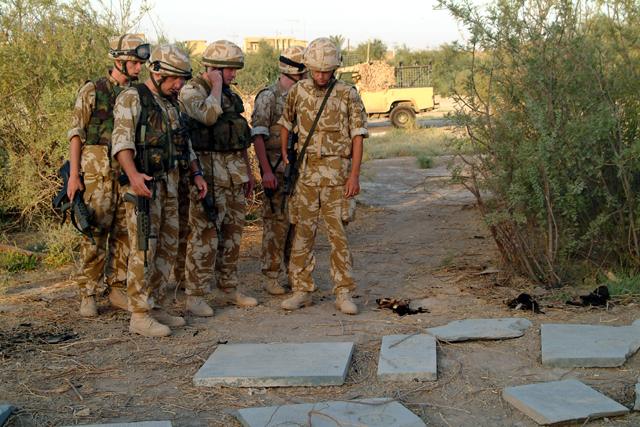
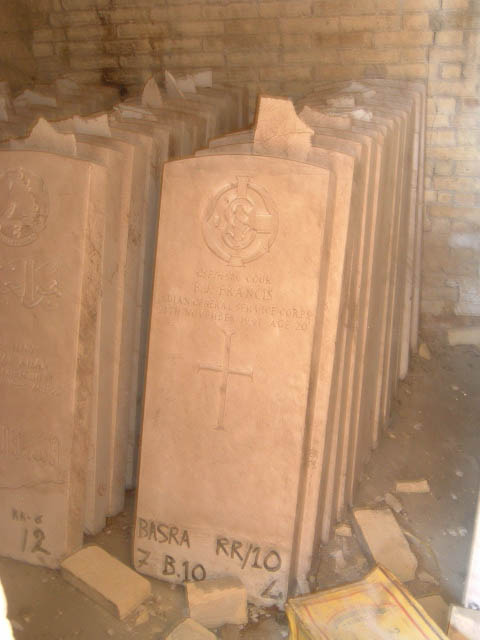
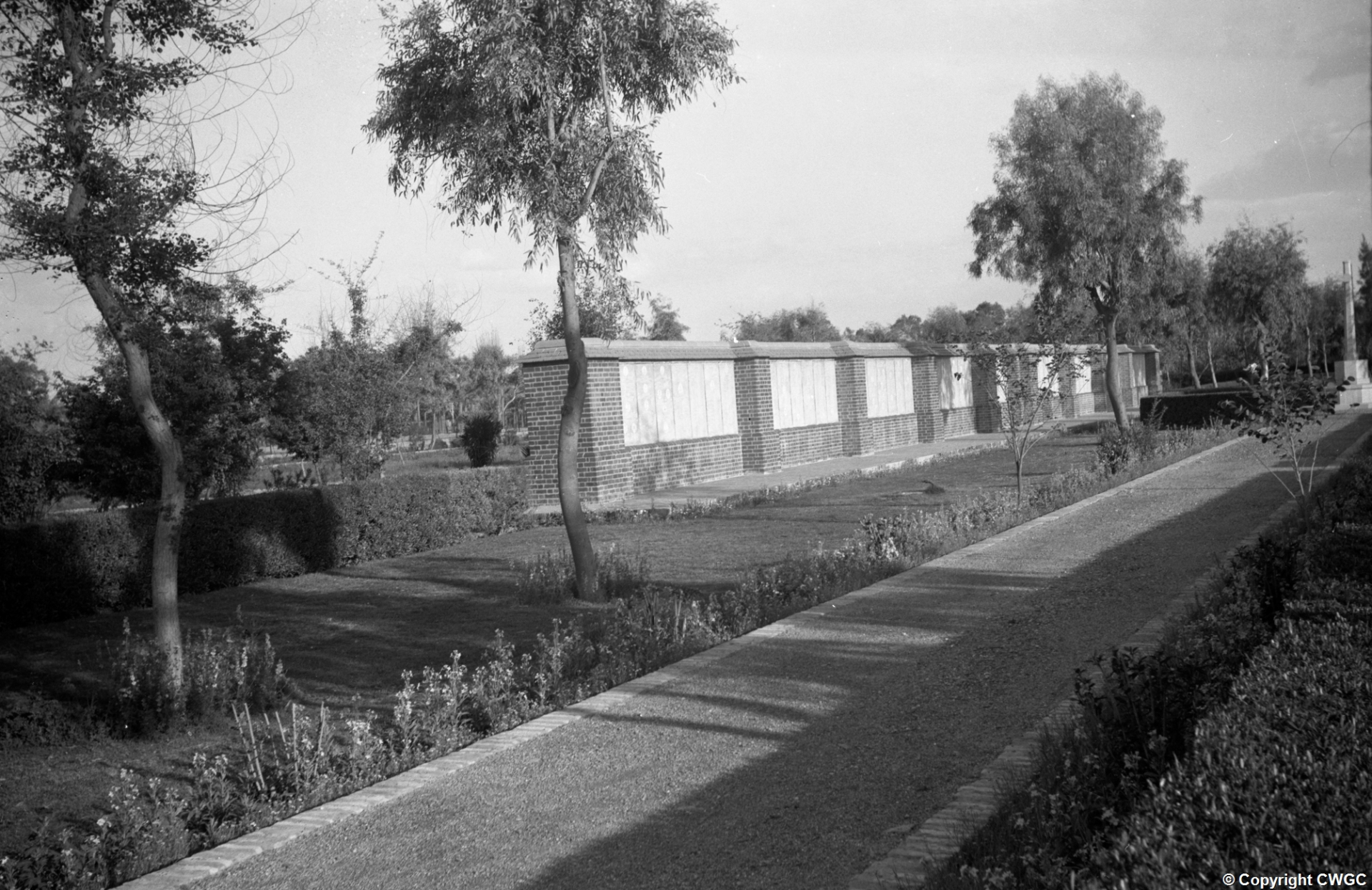
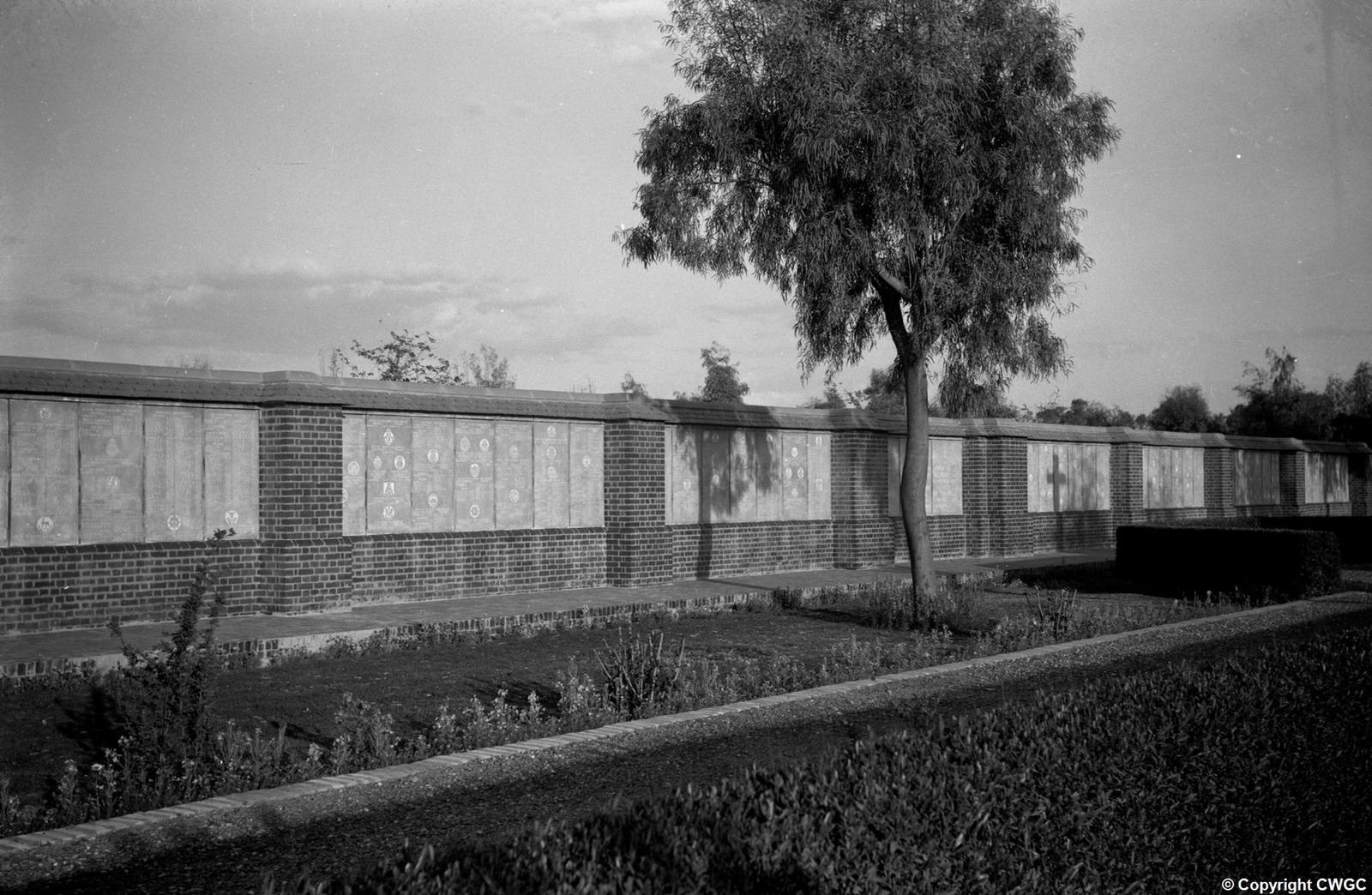
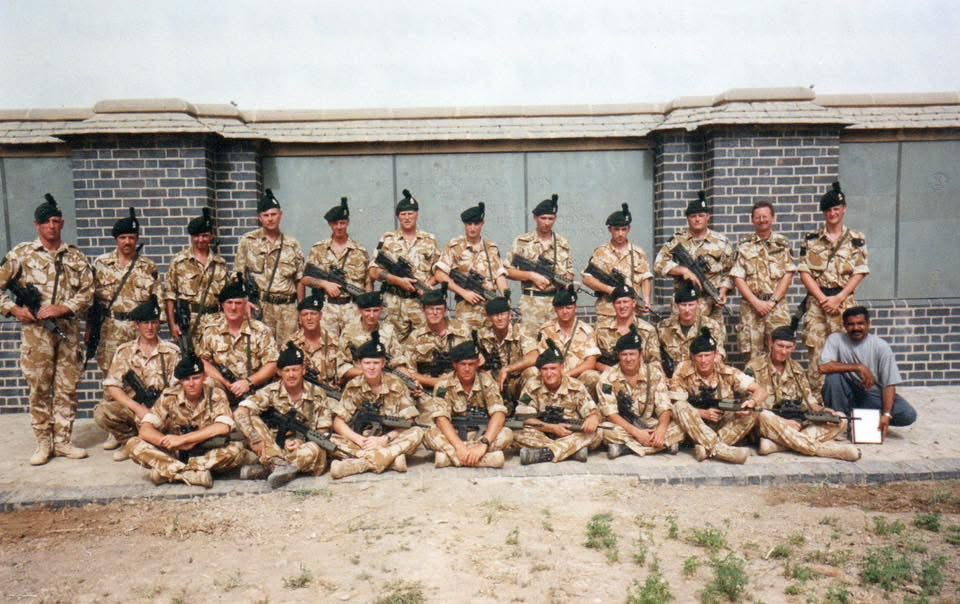
In late 2025 information was received via Facebook that the British Army, specifically 19 Mech Bde Sig Sqn, had removed the WW1 memorial panels and gravestones from Basra War Cemetery in September 2003 for "safekeeping". However what happened to them subsequently remained a mystery.
In February 2026 a Freedom of Information request was made to the MOD in an effort to find out what happened to the material. This was initially refused, but a request for review to the FOI Office at the MOD found that they did hold information relating to the project and it would be provided. However nothing was forthcoming, and escalation to The Information Commissioner's Office (ICO) found that the MOD was in breach of the Freedom of Information Act 2000 (FOIA) and threatened to find them in contempt of court. This led to the MOD finally releasing disclosures after 5 months.
Whilst incomplete, and missing critical communication between the MOD and the CWGC, it had finally revealed what happened to the material HM Armed Forces removed from Basra War Cemetery, and it is a sad and surprising outcome.
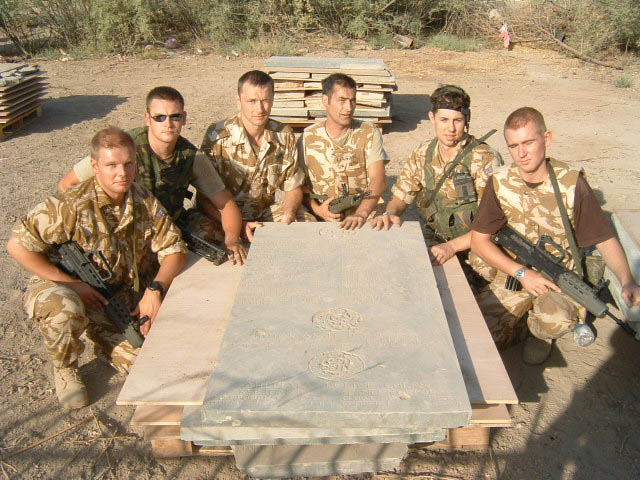
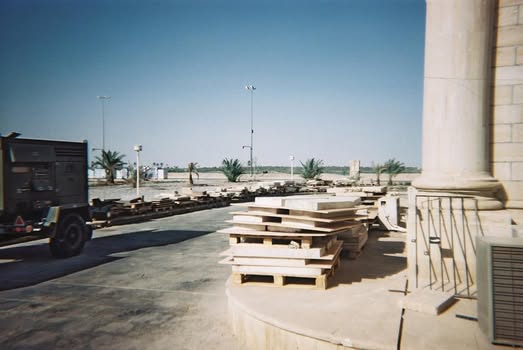
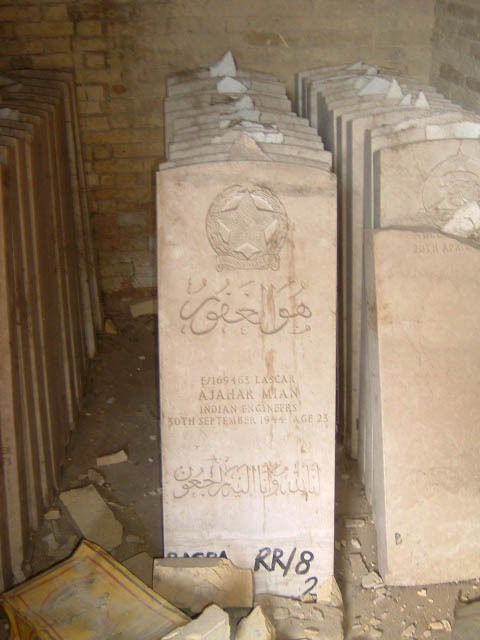
50–60 pallets of material (both numbers are given in the disclosures) were removed from Basra War Cemetery and the Basra Indian Army Cemetery opposite. This included several hundred new, yet to be installed, Indian Army WW2 gravestones stored on site. These were initially stored at Basra Palace.
As early as May 2004, only 8 months after removal, requests were being made as to what to do with the material.

The pallets were moved to Shaiba Base in June 2004.
With no plan ever put in place for what to do with the material once removed, and the CWGC having had no presence in Iraq since their withdrawal in 1990 and therefore no capacity to renovate the site, HM Armed Forces were at a loss as to what to do with the material they had taken possession of.

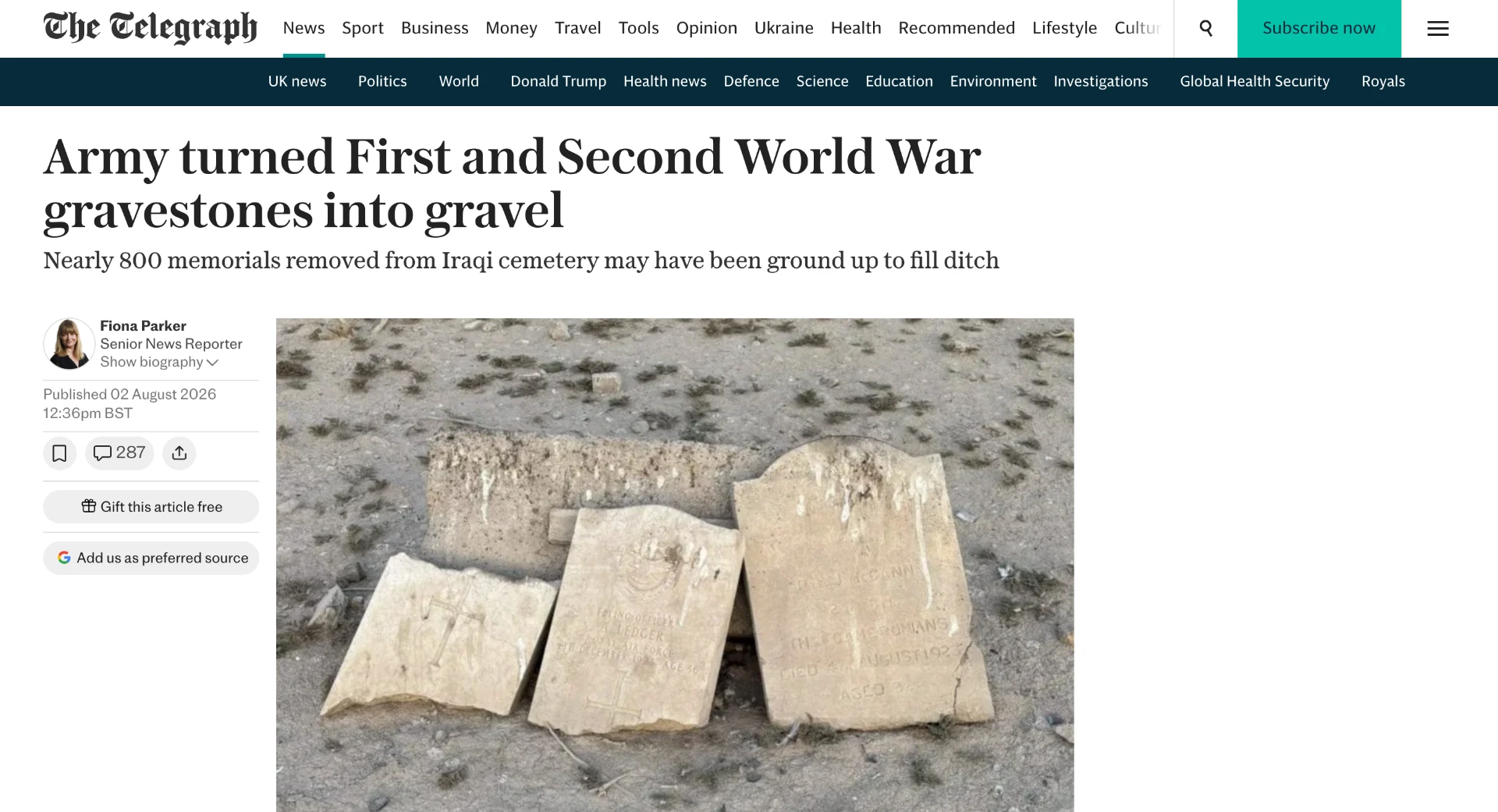
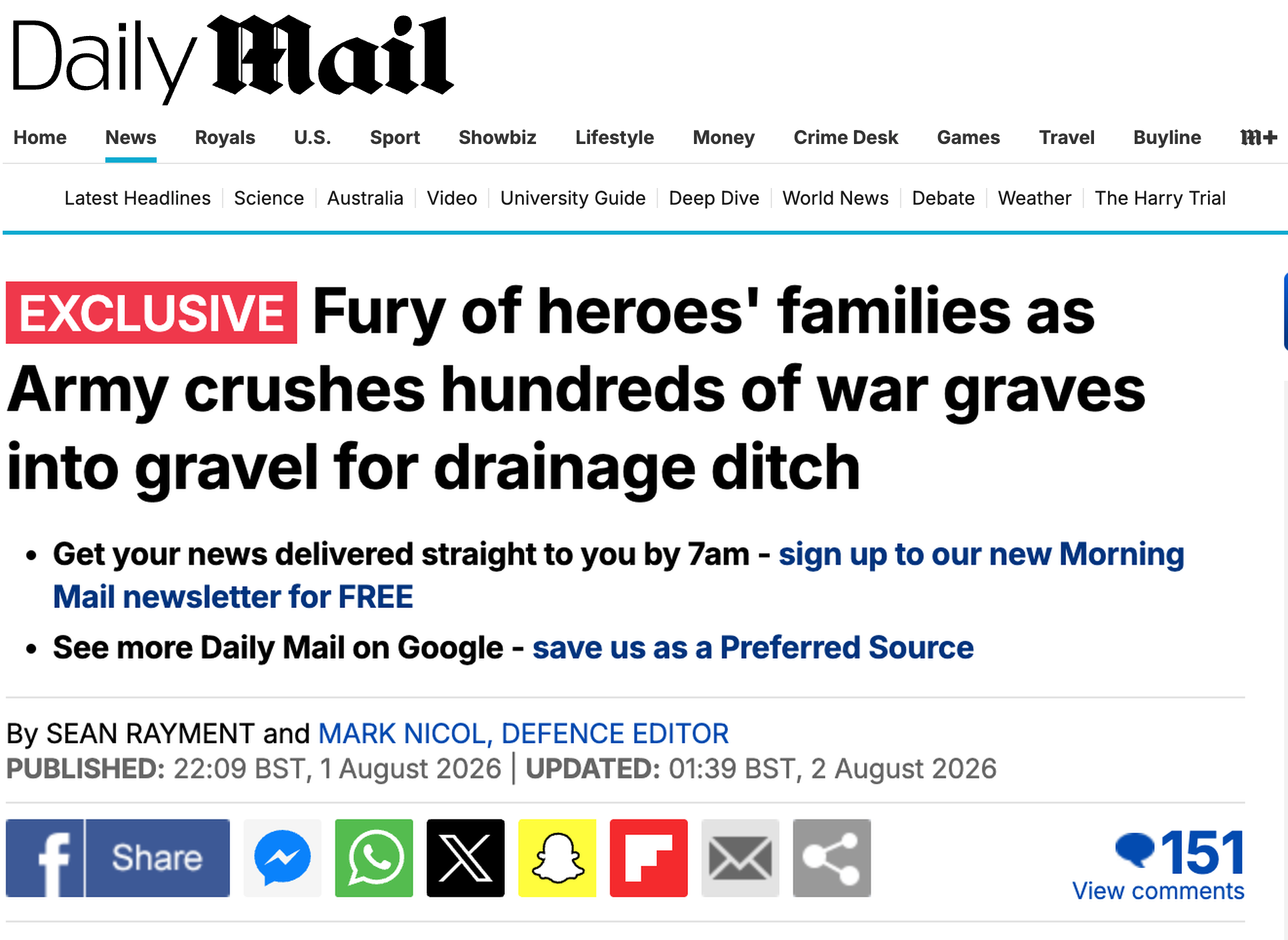
In April 2005, barely 18 months after the removal, all the material was crushed and used as infill for a drainage ditch at Shaiba Base.
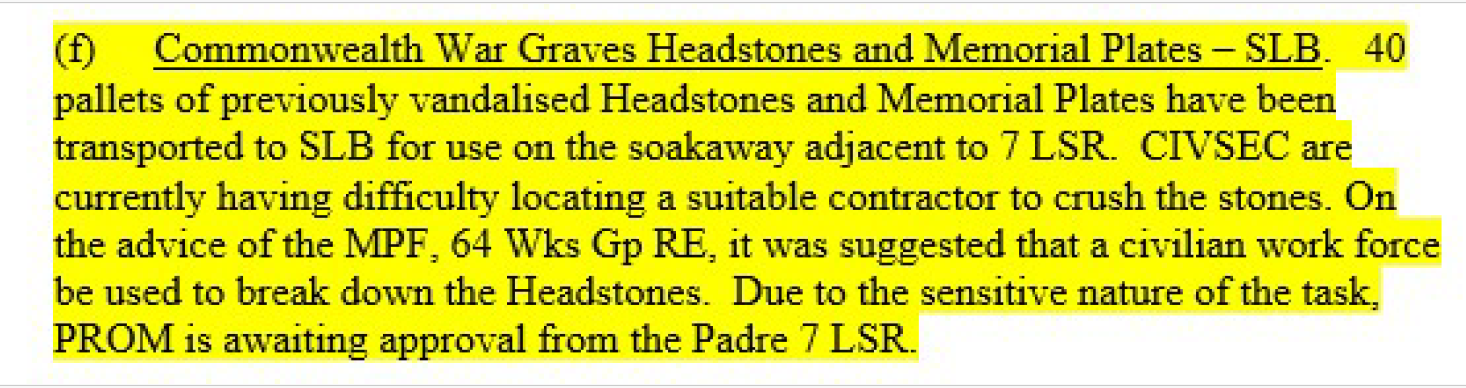

Why was the material removed in the first place?
The decision to remove material from this site was not explained in the disclosures, nor why this site uniquely in Iraq received such treatment. Why the material at the site was deemed at risk, and what the risks were, is never explained.
The WW2 Indian Army Cremation memorial at Basra Indian Army Cemetery was ignored, and remains in place in the same condition as 2003.
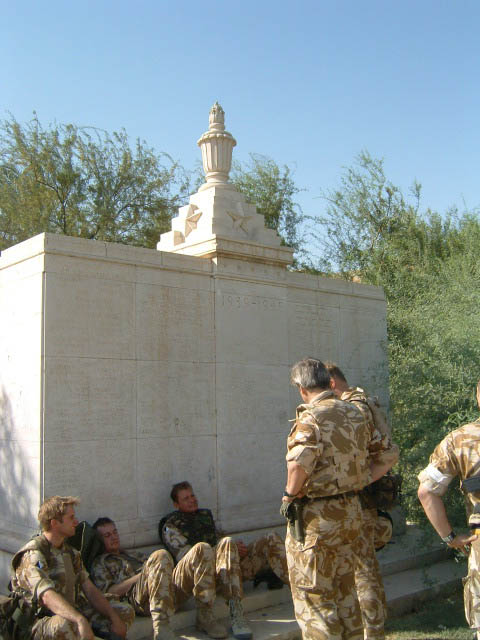
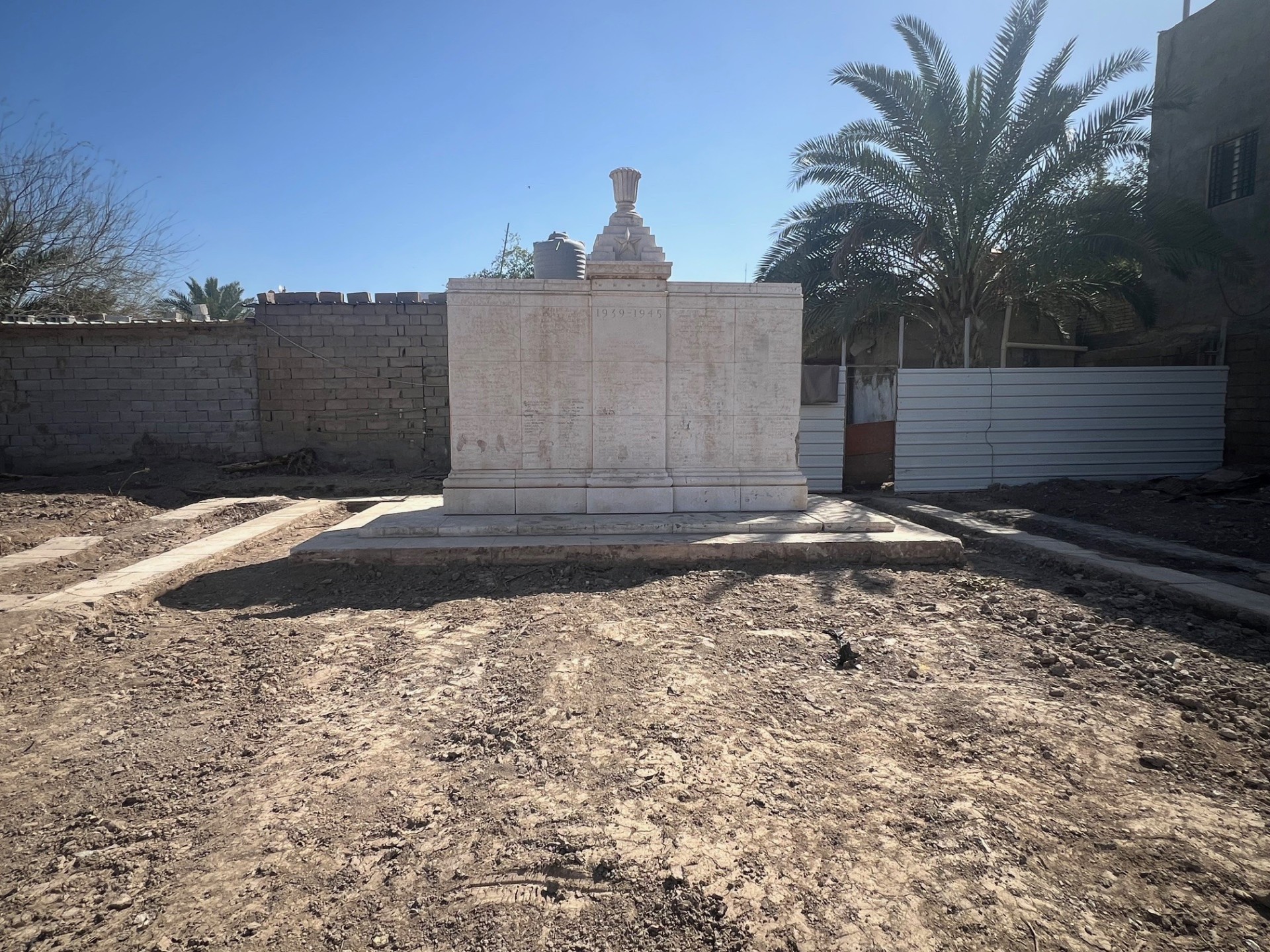
Similarly, Basra Memorial only 30km away was also left untouched and remains in remarkably good condition today, given it has received no maintenance for over 30 years.
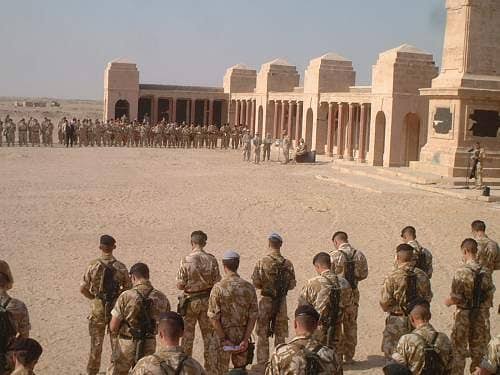
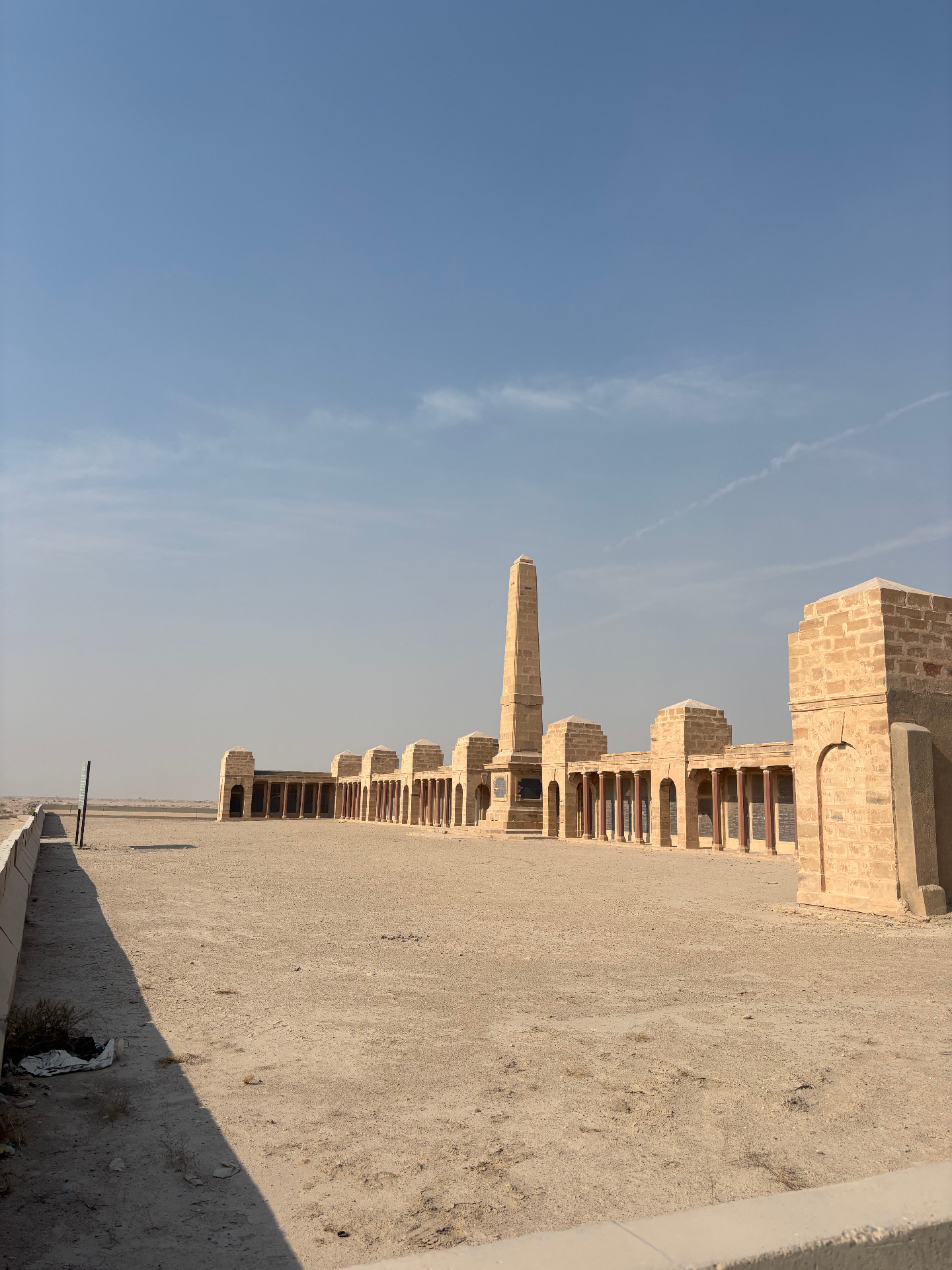
Amara War Cemetery was also within HM Armed Forces' area of control and is almost a copy of Basra War Cemetery, with a wall of memorial panels all of which remain in place.
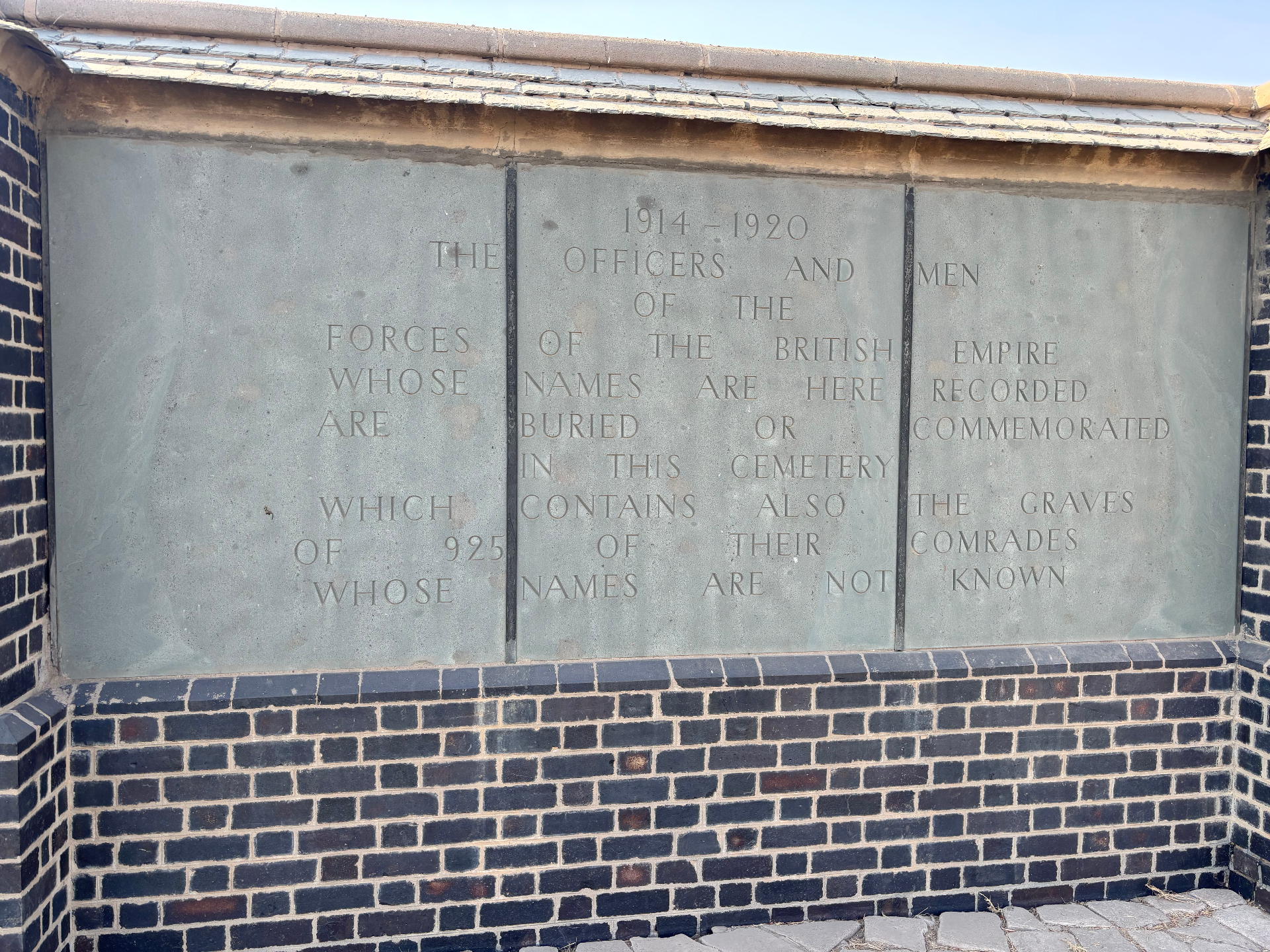
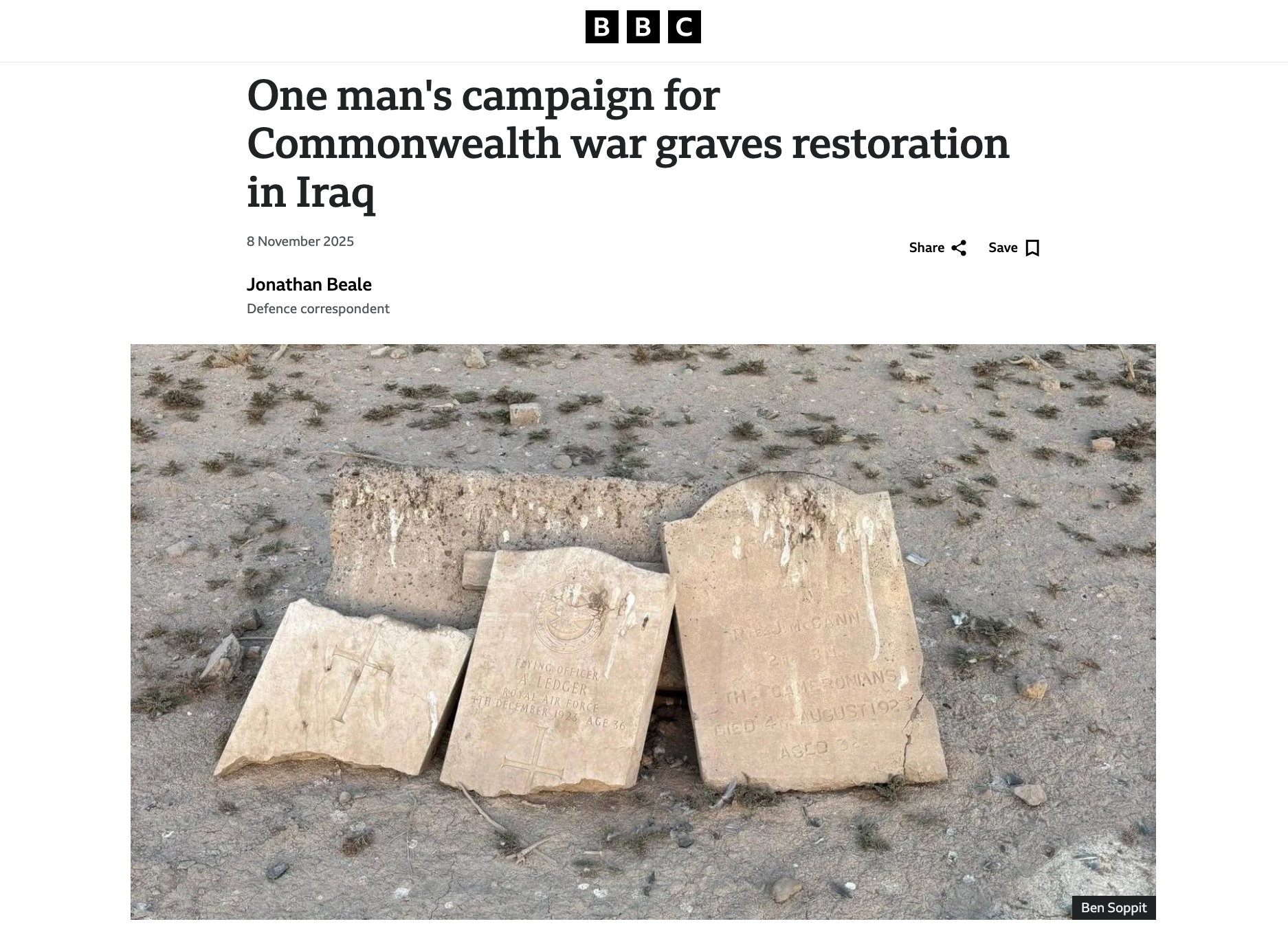
CWGC policy is to not repair but replace. The removal of damaged gravestones and memorial panels "for safekeeping" therefore makes no sense. This suggests that a well-meaning but ultimately misguided project, initiated in the initial flush of excitement of a foreign military operation and without proper planning and process, got out of control and ultimately led to the destruction of one of the largest British War Cemeteries in Iraq, which the MOD and CWGC have appeared to wish to conceal from the public and refuse to take accountability for.
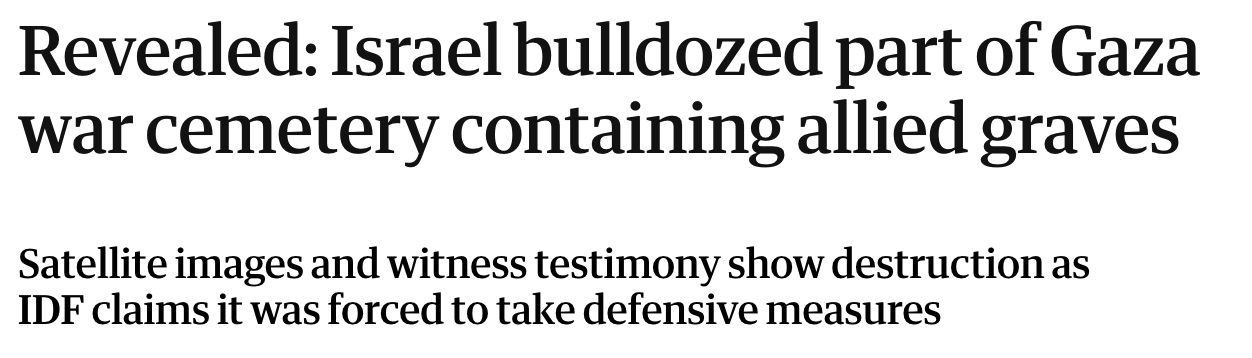
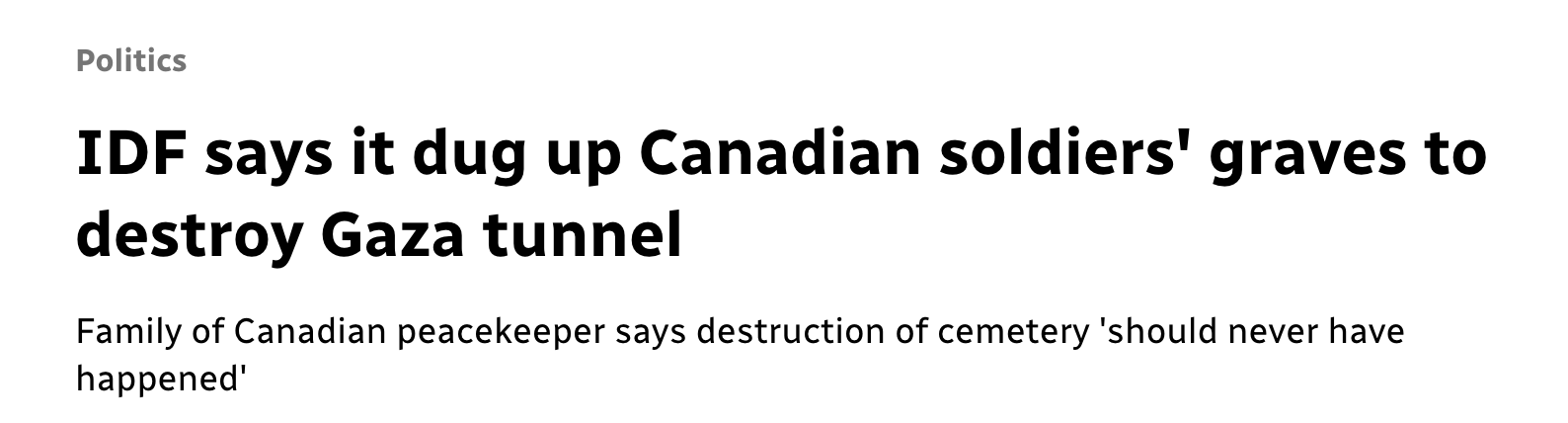
Compare this to the outrage over the Israeli Defense Forces' destruction of CWGC sites, which is widely reported and condemned. The IDF routinely pays compensation for the restitution of such damage.

Legally it also raises questions of HM Armed Forces' liabilities and accountability.
Under British military law today, looting falls under the Armed Forces Act 2006, which governs the UK's service justice system.
The relevant provision is section 24 (Looting). It defines looting as a person subject to service law taking, otherwise than as authorised, any property that has been left exposed or unprotected due to the effects of active service, or that has been abandoned by its owner due to those effects, essentially stealing from the dead, wounded, prisoners, or civilians in a war zone, or from abandoned property in a combat environment.
In addition:
"Under international humanitarian law, the intentional destruction of cemeteries constitutes a violation unless the site has become a military objective." (Source)
What next?
A request for review of the FOI disclosures has been made to the MOD FOI office for a full and complete disclosure regarding CWGC involvement, or not, in the removal of the material from the cemetery. In addition, a request for a Judicial Review into the destruction of Basra War Cemetery has been made in the High Court in London, with a view to fully disclose what happened, replace the material lost, and renovate the cemetery.
The MOD is fighting this, however. It refuses to take accountability for the destruction it caused at Basra War Cemetery and is unwilling to bear the cost of ensuring the over 3,000 men and women buried there are properly commemorated with the honour they deserve and that the public expects. The CWGC, funded in major part by the MOD and with the Secretary of Defence as its Chairman, has failed to pursue the MOD for restitution, and still today makes no mention of how Basra War Cemetery was destroyed on its website, and continues to fail to show the current condition of this site and others in Iraq. It is a bitter irony that a member of the public — a relative of one of the casualties buried at Basra — is having to pursue the Ministry of Defence through the courts simply to secure the basic dignity of commemoration that those who died in service are owed.
If you have any information about the removal, storage or destruction of the panels and gravestones, please get in touch.
The MOD FOI disclosures can be downloaded in full. A request for review has been made for further material, especially any approvals by CWGC for the removal to be made.
Read the FOI disclosuresA request for a Judicial Review has been made into the destruction, with the aim of holding the MOD accountable. The MOD's response, the Summary Grounds of Resistance dated 29 May 2026, is available in full.
Read the MOD responseBritish Army Personnel with Removed Panels and Gravestones, Basra 2003