Geographic distribution of CWGC sites across Iraq
The sites are concentrated in three main areas: the Basra region (the main port and supply base), Baghdad (the capital and administrative centre), and the Tigris valley (following the line of the British advance from 1914-1918).
Regional Distribution
Southern Iraq (Basra Region)
The Basra region contains the largest concentration of casualties, including the Basra Memorial to the Missing—the third-largest Commonwealth memorial in the world, Basra War Cemetery and British Indian Forces Cemetery. The area served as the primary entry point for British and Indian forces during WWI.
Central Iraq (Baghdad Region)
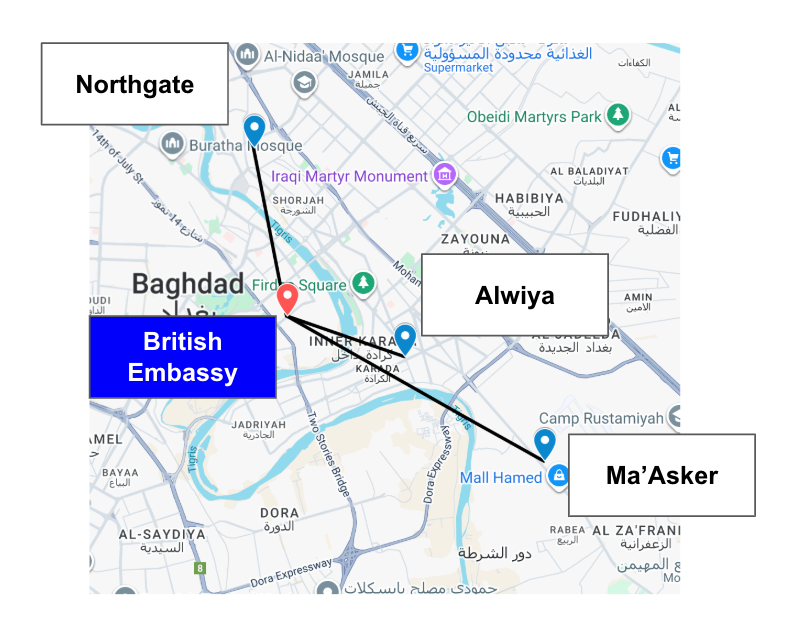
Baghdad contains four significant sites: Baghdad Northgate Cemetery (the largest in the capital), Alwiya Indian Forces Cemetery, Ma'asker Al Raschid RAF Cemetery (formerly called Hinaidi RAF Peace Cemetery) and Habbaniya War Cemetery. These reflect the importance of Baghdad as the ultimate objective of the Mesopotamian campaign.
Tigris Valley (Amara and Kut)
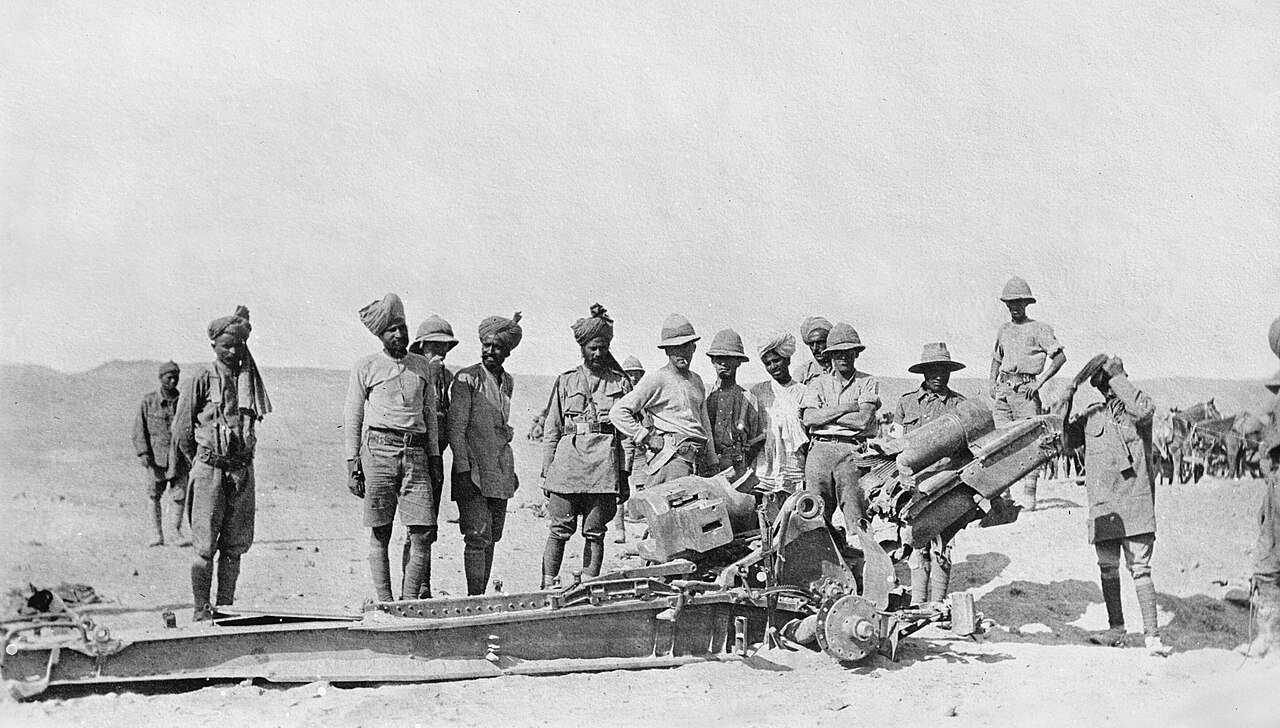
The Tigris valley sites at Amara and Kut mark some of the fiercest fighting of the campaign, including the Siege of Kut (1915-1916), one of the worst British military disasters of WWI.
Northern Iraq
Mosul War Cemetery in the north and the Khanaqin Cemetery near the Iranian border represent the furthest extent of British military operations in Iraq.
Map of CWGC sites in Iraq
Map of CWGC sites in Baghdad