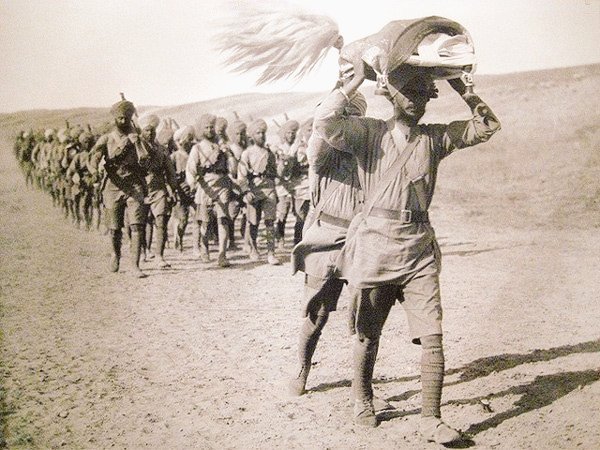
With approximately 80% of all Commonwealth casualties in Iraq from the Indian Forces, Iraq also represents between 40-60% of all under-represented casualties that the CWGC has committed in their Non-Commemoration Project to rectify by 2026, claiming on its website that "Our five-year programme to address historical inequalities in commemoration after the World Wars is nearing completion".
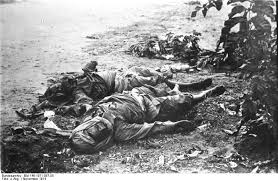
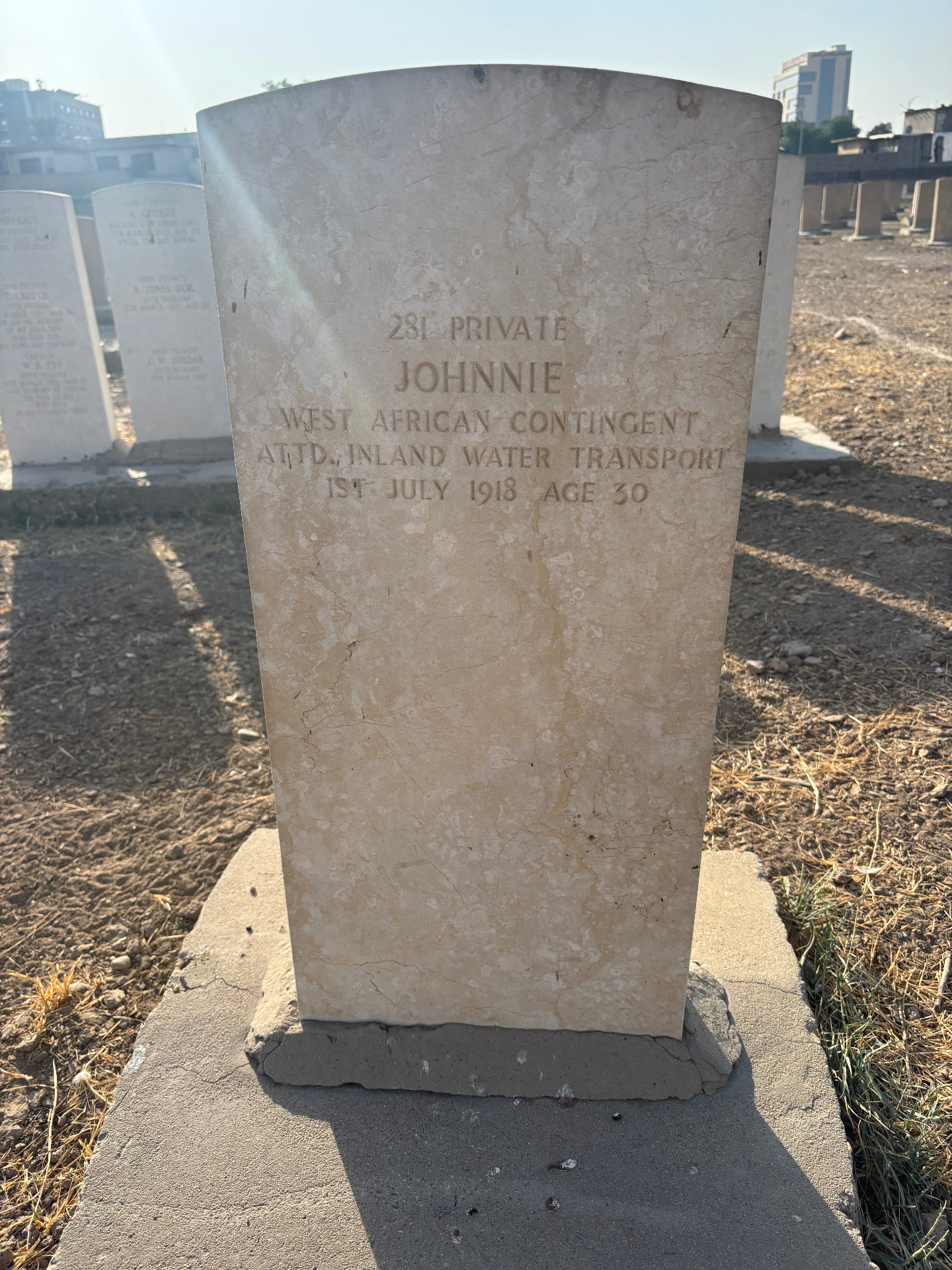
However, without addressing the under-commemorated casualties in Iraq, mainly Indian forces but also Chinese and West African, meeting this deadline is impossible.
Basra Memorial to the Missing commemorates 40,682 casualties with no known grave, of these 7,385 are named on the memorial - those of European descent and Indian Army Officers. The remaining 33,256 Indian other ranks are not named but only given as a total number of casualties by unit.
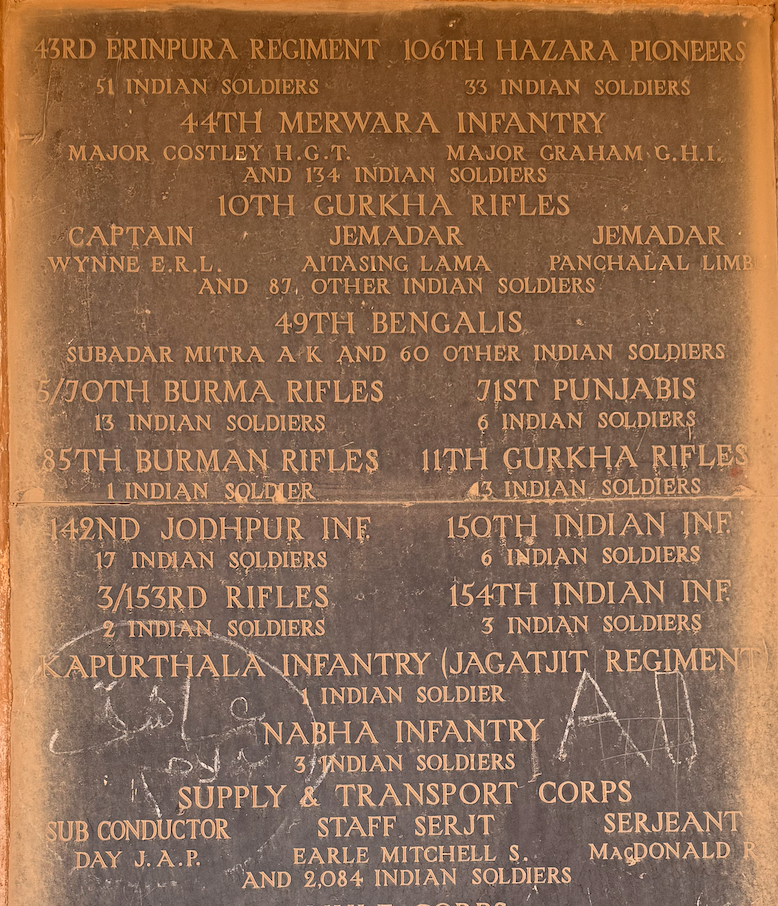
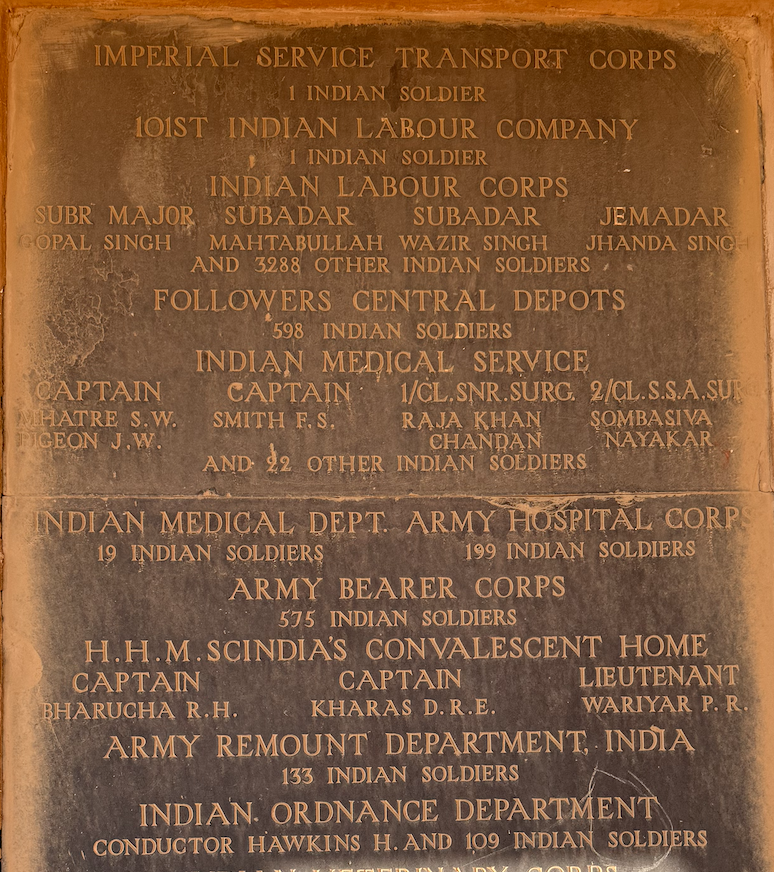
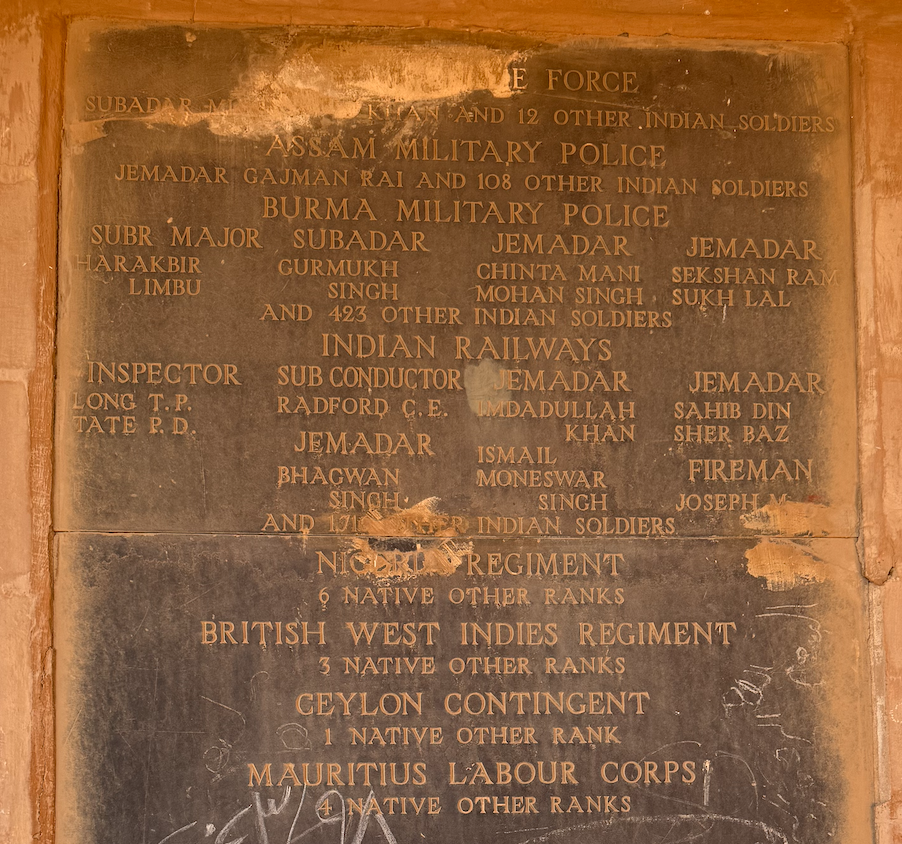
Panels from the Basra Memorial showing how Indian other ranks are listed only by number, not by name.
The CWGC's Own Acknowledgment
In 2016 in a BBC article, Colin Kerr, then publicity director for the CWGC, commented on the inequality of commemoration of Indian Casualties on Basra Memorial:
"It is something the commission has now made it a priority to rectify. He says a total of 30,000 Indian soldiers are not named on the Basra memorial but, he says, the commission knows who they are and has launched a project to find ways to publicise them both in India and in Britain."
9 years later we are still waiting. Of Amara's and Alwiya's tens of thousands of unnamed dead nothing has been seen to have been said or done.
This is a scandal of the same proportions that the CWGC Non-Commemoration report found only these are not historical, they are still happening now.
Limited and Unequal Work
Whilst the CWGC has made much of its renovations in Habbaniya and Kut, these represent less than 2% of total casualties and the majority of them of European descent, doing nothing to address the inequalities in commemoration in Iraq.
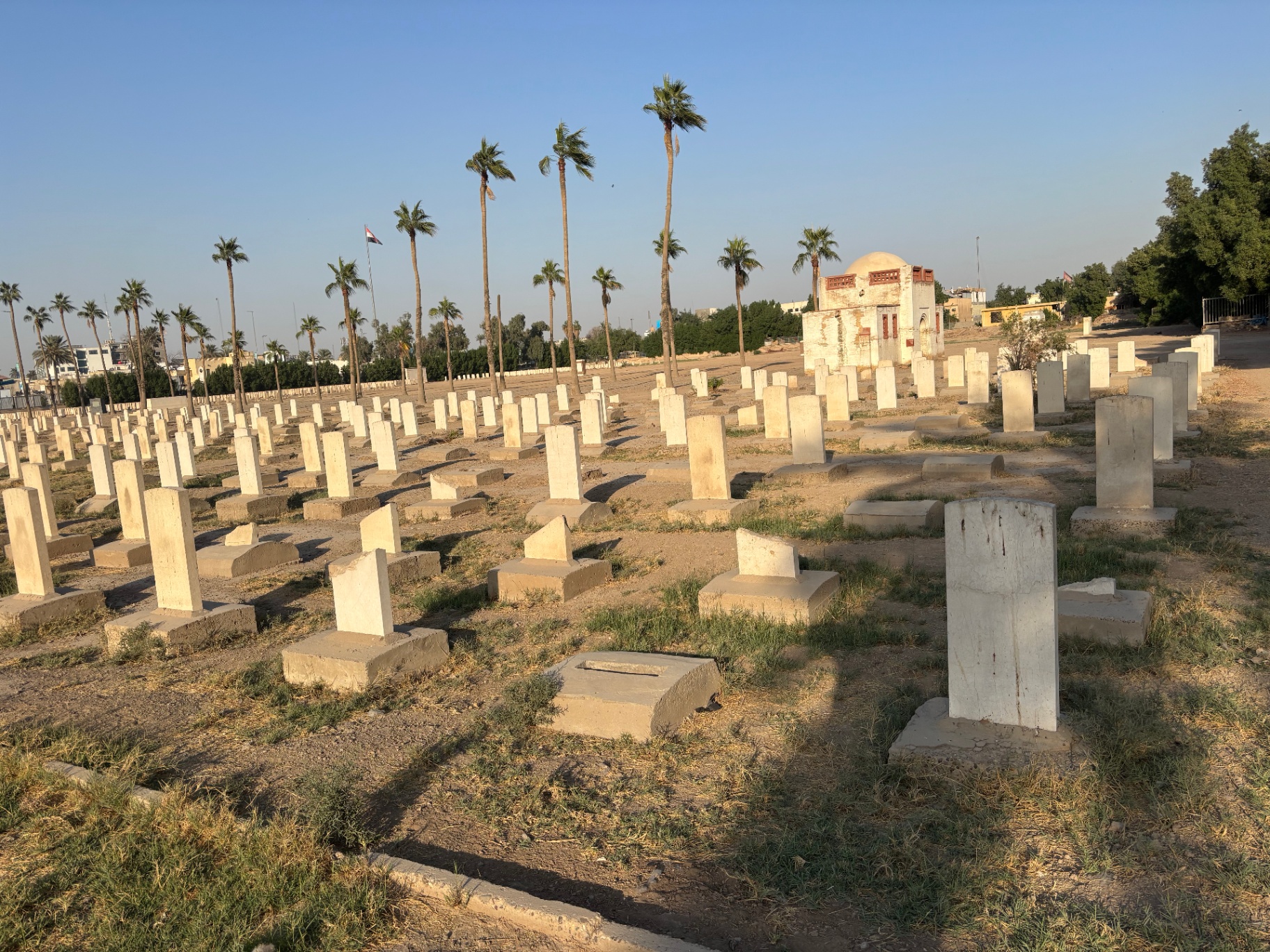
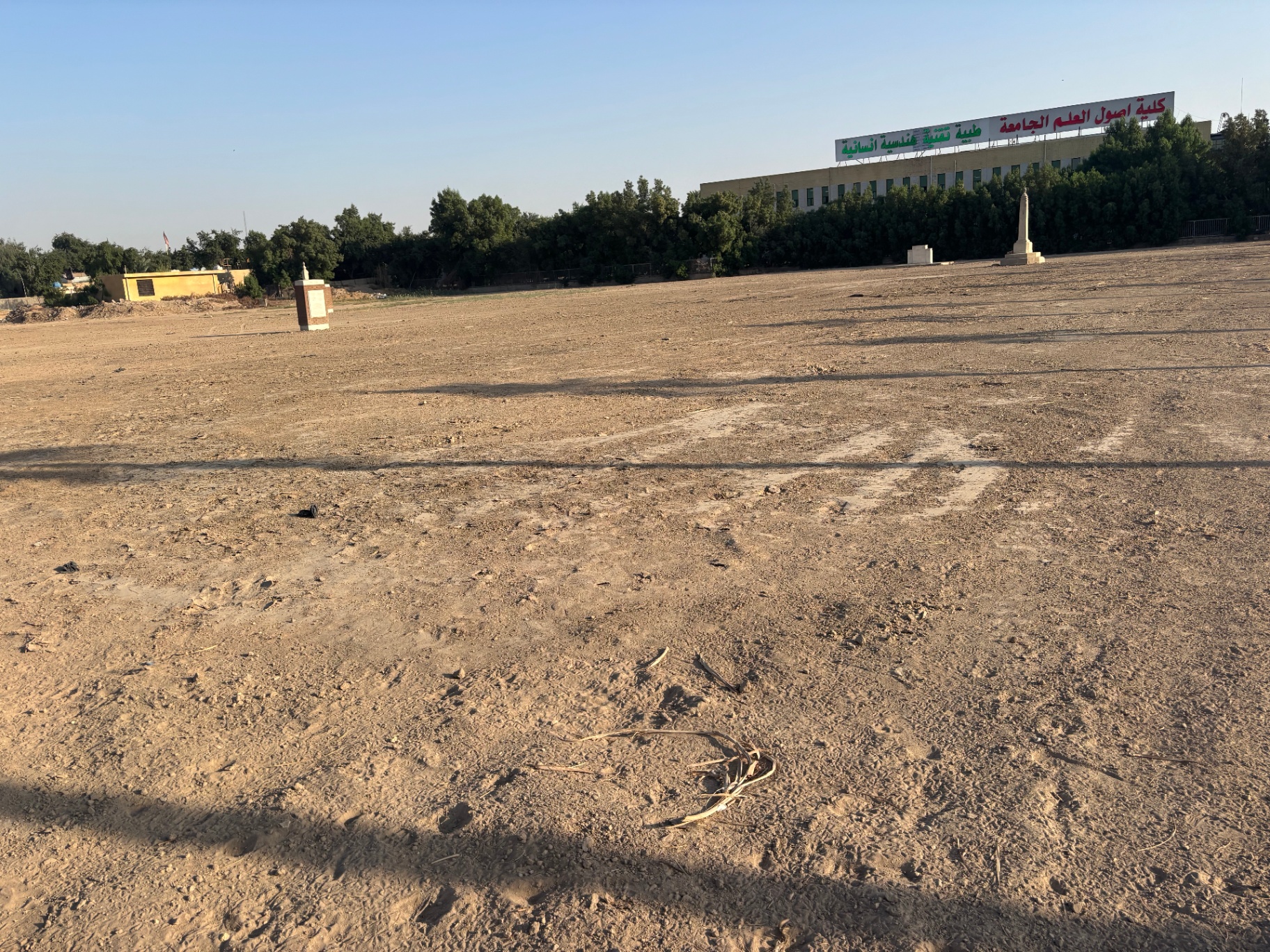
The limited work done in Northgate and Ma'Asker in 2012 and 2021 were in marked contrast to Alwiya Indian Forces cemetery which is the nearest cemetery to the British Embassy and entirely ignored.
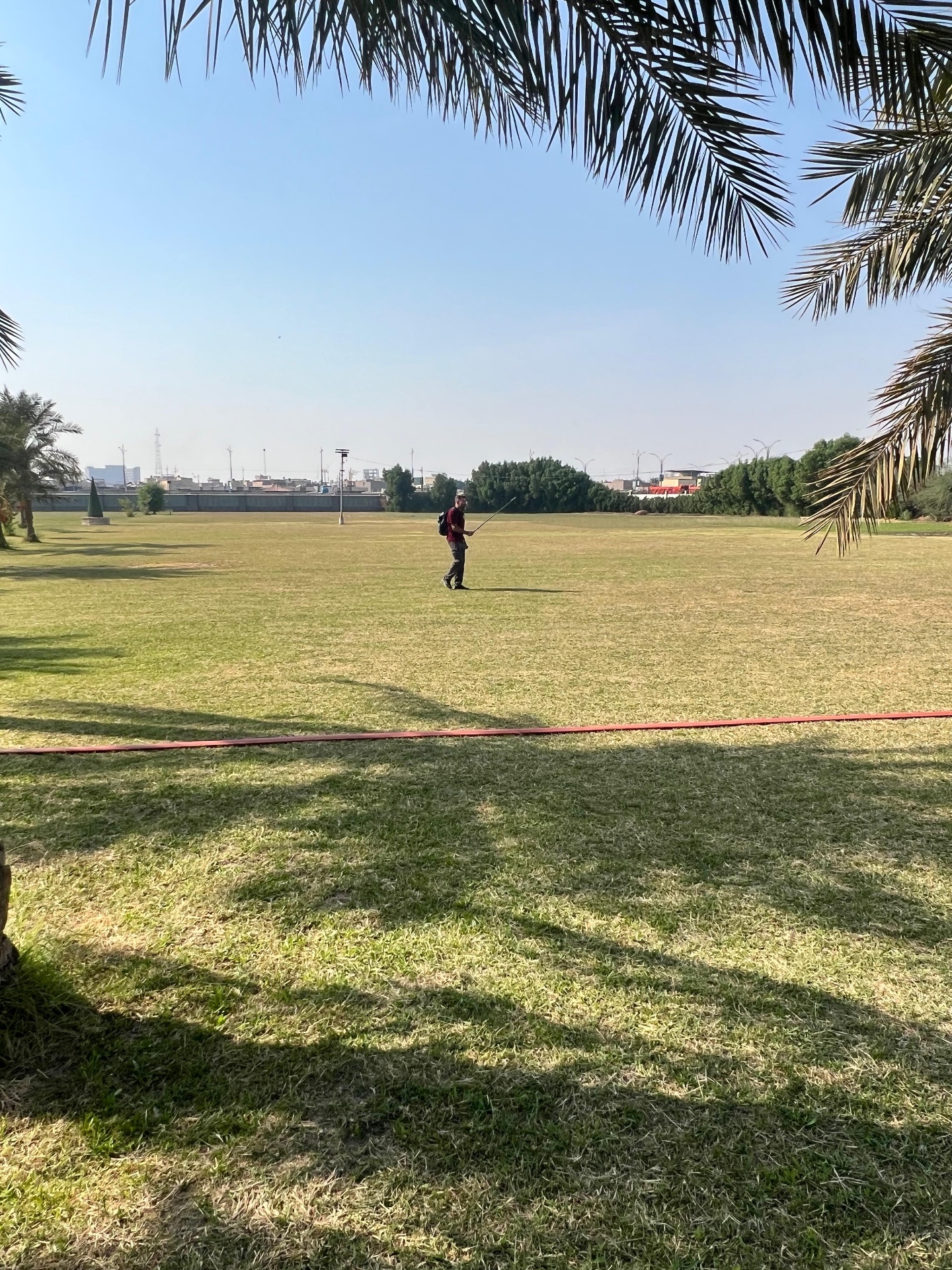
Differences in how sites with both Indian and British casualties either adjacent or in the same site are just as stark.
The Non-Commemoration Project's Failure
The CWGC Non-Commemoration Project has completely ignored the tens of thousands of unknown dead such as at Amara and the under-commemorated, including at Basra Memorial. Nevertheless they have claimed the project a success and due to end in 2026.
This is clearly premature.
Given the scale of the issue in Iraq and the scale of the debt to Indian Forces in particular this would seem to demand a special project focussed solely on Iraq covering both research and site protection and development. This could be done in collaboration with the Indian Embassy and Indian Companies with employees in Iraq.
Prioritisation of European Casualties
The cemeteries that have been prioritised to date for any sort of work (Kut, Habbaniya and Mosul War Cemetery) are the smallest cemeteries in the country and with a majority European casualties. Ma'Asker appears to be 100% European casualties in a country where over 80% of the casualties are non-European.
What Could Be Done
Renovating Alwiya, based in central Baghdad and 10-15 minutes drive from both the British and Indian Embassies, could simply involve managing the horticulture there and renovating the fence and gate plus some informational signage. It could become a valuable asset to the area, a peace park for those living and working there. A government ministry is located next door to it.
Basra Indian Forces Cemetery has all its monuments largely intact. Clearing, minimal renovation of the buildings, signage and planting would make that into a beautiful park. There is no recreational use of the cemetery for sport, that happens next door in the larger British cemetery. This is also a natural site for a panel wall for those whose names are not on the Basra Memorial.
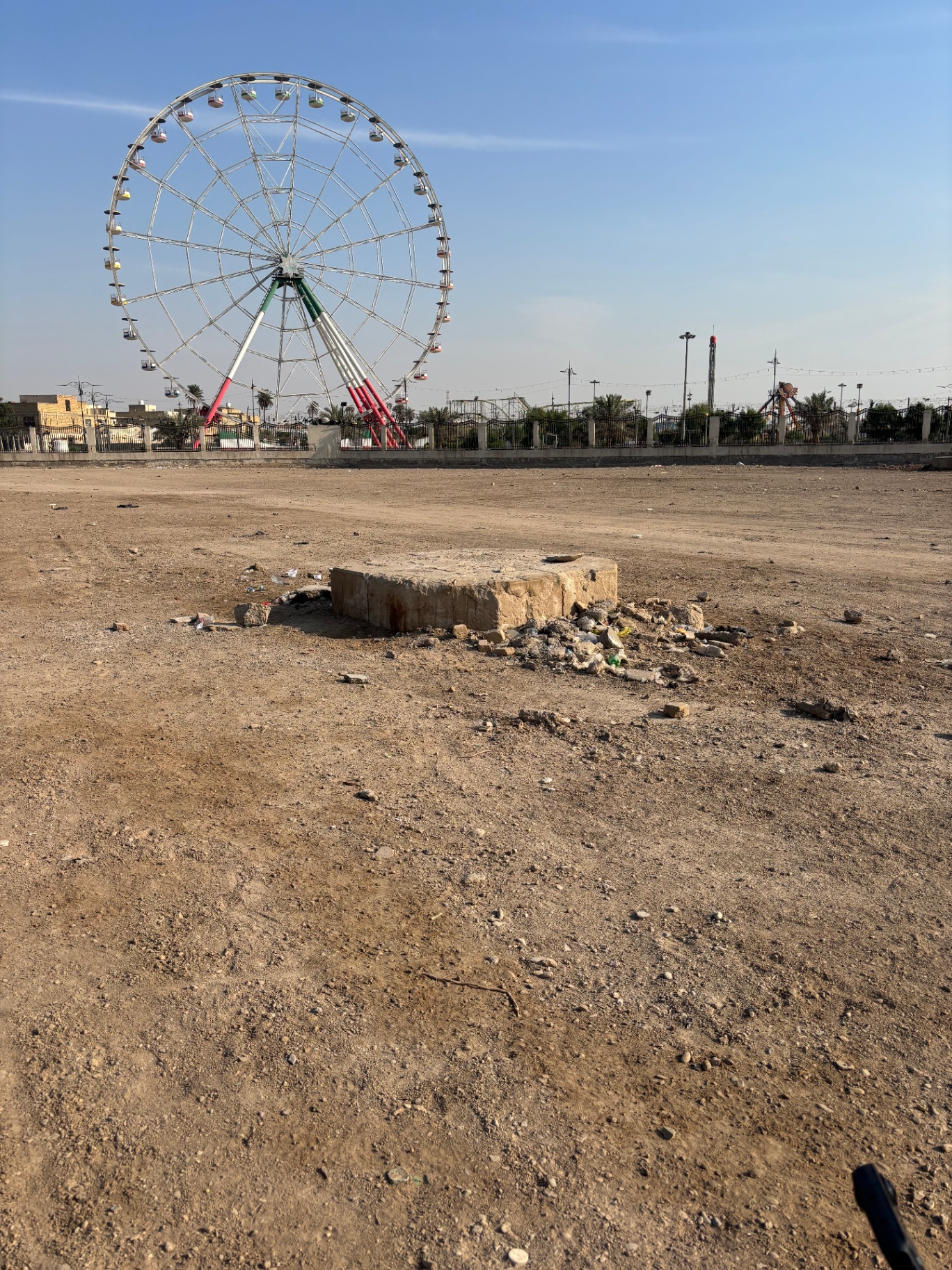
Amara Indian Forces Cemetery is currently in grave danger having lost its gatehouse, the fence and monuments and 30% of its area due to encroachment by the fun fair next door. It needs to be secured as fast as possible and a long term plan made in collaboration with the Mayor's office and local community. A huge effort would be required to identify the names now lost of those buried here. It may be impossible but something is better than nothing.